
Motivating ourselves to do something uncomfortable or demanding is not always easy. Going to the gym, running, creating new content, starting a project or putting ourselves out there may all be good for us, yet part of the brain still wants comfort and instant gratification.
That “monkey” part of us wants pleasure now. It wants to avoid discomfort, uncertainty and effort. Meanwhile, the more rational, human part of the brain understands the incremental power of consistent action and the deeper satisfaction of long-term gratification.
The question is: how do we strengthen the voice of that wiser part of ourselves?
1. Ask What the Highest Version of You Would Do
Whenever I do not feel like doing something—whether it is running, creating content or tackling another task that requires effort—I ask myself:
“Is this how New Dora, the CEO of my life, would act?”
I also ask:
“What would the highest version of me do now?”
“What decision would the wisest, strongest, most courageous and most authentic version of myself make?”
I have found this to be an incredibly powerful way to reframe idleness, fear, lack of motivation and the tendency to procrastinate. Instead of asking whether I feel like doing something, I ask whether my current choice is aligned with the person I am becoming. This immediately changes the conversation. I am no longer negotiating with the least disciplined version of myself. I am consulting the woman who already possesses the courage, focus and resilience I want to develop.
If we genuinely want to fulfil our potential and live in alignment with our deeper purpose, we must become our highest and most authentic selves. But that version of us is not discovered through endless reflection alone. She is built through growth, repeated action and the willingness to be seen.
2. Do Not Wait to Feel Ready
When I feel unenthusiastic, fearful or hesitant to do something, I ask myself:
“What would the highest version of Dora do now? What would New Dora—the CEO of my life and the brightest version of myself—say?”
Usually, the answer is clear.
She would not wait for the perfect moment or perfect motivation. She would not spend hours negotiating with herself. She would act in accordance with her values and long-term vision.
This is one of the qualities I admire most in truly inspiring people. They are ruthless about their aspirations. They are direct, focused and unwavering. They do not abandon their decisions every time their mood changes. They do not lose sight of their goals and dreams simply because they feel temporarily uninspired. Their determination seems to be made of titanium.
This does not mean they never feel tired, doubtful or afraid. It means they refuse to let temporary emotions control their actions and decisions.We often give our feelings far too much authority. We assume that because we do not feel enthusia rgetic or confident, we should postpone taking action. But feelings are temporary weather. They can change within minutes. Our values and long-term ambitions should be stronger than a passing mood.
3. Keep the Long-Term Goal in Sight
When I first started running, it was not always easy to motivate myself to train regularly. What helped me enormously was signing up for my first half-marathon.
Knowing that I would be running a 21.1-kilometre race five months later gave me a powerful reason to keep going. The race transformed running from a vague intention into a concrete commitment. It motivated me to train consistently and cover around 35 to 45 kilometres each week.
I have also recently started an Etsy shop where I sell digital art. What motivates me now is the vision of eventually creating a collection of at least 500 prints and helping people make their homes more beautiful through my artwork. That larger vision gives meaning to the smaller, repetitive tasks. Creating one print may not feel particularly significant on its own, but each new design brings me closer to the collection I want to build. When we have a clear goal, target or destination, the individual steps become easier to understand and repeat. We are no longer relying entirely on how we feel on a particular day. We know what we are working towards.
A long-term goal acts like a lighthouse. It does not remove the effort, but it reminds us why we are moving.
It is also helpful to make the goal visible. Write it down, place it somewhere you will see it regularly or create a visual reminder of the life you are trying to build. When the destination remains vivid in your mind, the daily work feels less random and more meaningful.
4. Remember That Motivation Often Follows Action
We often assume that we must feel motivated before we begin. In reality, it usually works the other way around: motivation frequently appears shortly after we take the first step.
The hardest part of running may be putting on your trainers and leaving the house. The hardest part of writing may be opening the document and producing the first imperfect paragraph. The hardest part of creating a new product may be beginning before you know exactly how it will turn out.
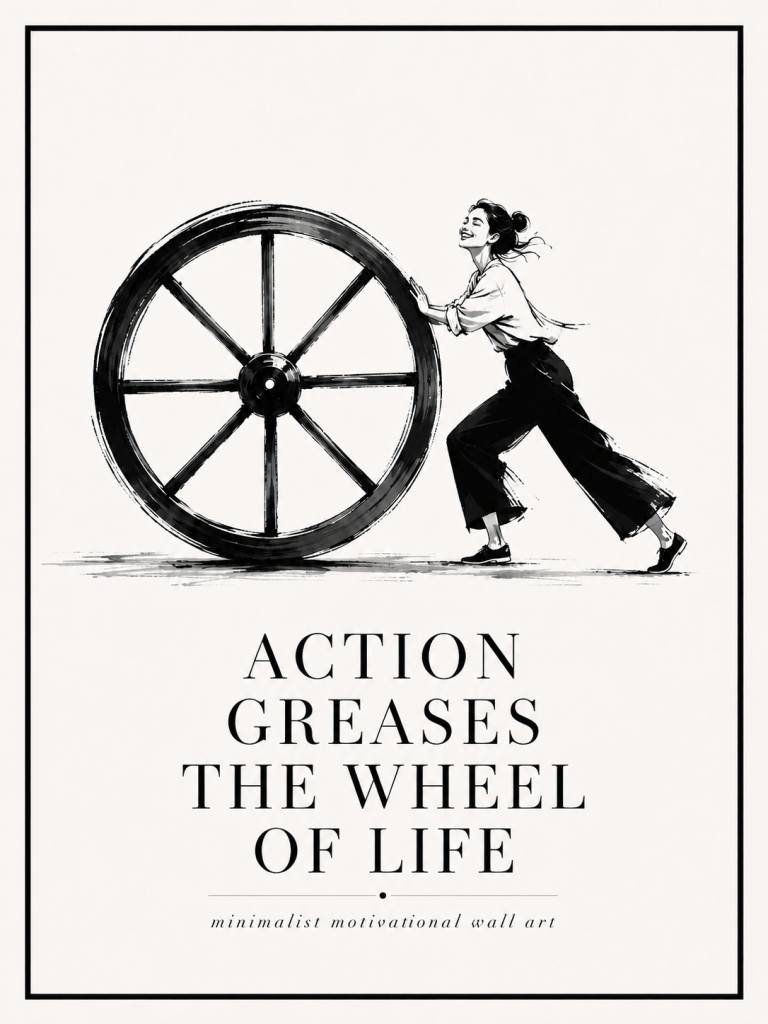
Once we start moving forward, inner resistance often begins to dissipate.We do not always need enough motivation to complete the entire task. Sometimes we only need enough motivation to begin. Tell yourself that you will work for ten minutes, walk for ten minutes or create one small part of the project. Once you are in motion, continuing usually feels much easier. Starting creates momentum, and momentum produces motivation.
Action is often the spark we are waiting for.
5. Surround Yourself With People Who Expand You
The people around us influence our thoughts, expectations and behaviour far more than we may realise.
When we spend too much time in the company of people who constantly complain, procrastinate, mock ambition or dismiss every new idea, their attitudes can begin to affect us. The company of habitual slackers and naysayers may drain our energy, weaken our confidence and make our dreams appear unrealistic.
This does not mean that we should reject everyone who is struggling or surround ourselves only with high achievers. It means that we should pay attention to the effect certain relationships have on us. Do the people around you encourage growth, curiosity and courage? Or do they make you feel foolish for wanting more from life?
Whenever possible, surround yourself with people who are motivated, purposeful and inspiring. Spend time with individuals who take action, keep their promises to themselves and believe that improvement is possible. Their standards will quietly influence your own. However, many of us do not have inspiring or ambitious people in our immediate surroundings. In that case, we can create a kind of virtual circle of influence. Read books written by people whose lives and achievements inspire you. Listen to their podcasts, interviews and lectures. Follow people online who encourage you to think more boldly and act more courageously. Study how they make decisions, overcome setbacks and organise their lives.
The people we learn from do not have to be physically present in order to influence us.
Choose your voices carefully. The voices you hear repeatedly eventually become part of your inner dialogue.
You Do Not Need to Feel Motivated Every Day
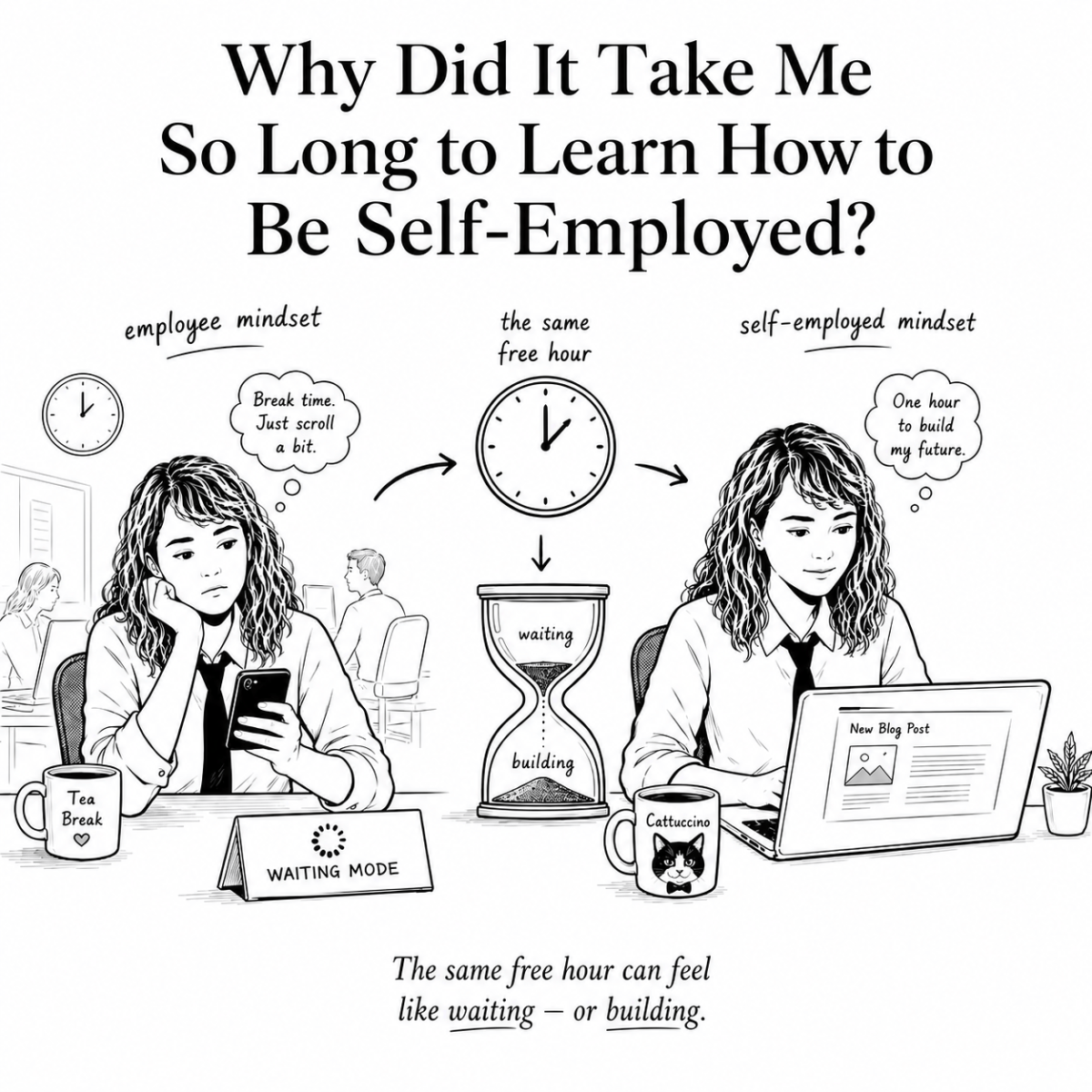
Motivation is useful, but it is unreliable. It rises and falls depending on our energy, mood, circumstances and environment. This is why we cannot build our lives around waiting to feel inspired. We need a stronger foundation: a clear vision, meaningful goals, supportive influences and the habit of taking action before we feel completely ready.
The next time you are tempted to postpone something important, ask yourself:
“What would the highest version of me do now?”
Then take one step in that direction. You do not need to feel fearless. You do not need to feel inspired. You do not even need to feel ready.
You only need to begin.









Leave a comment