An Unplanned Detour
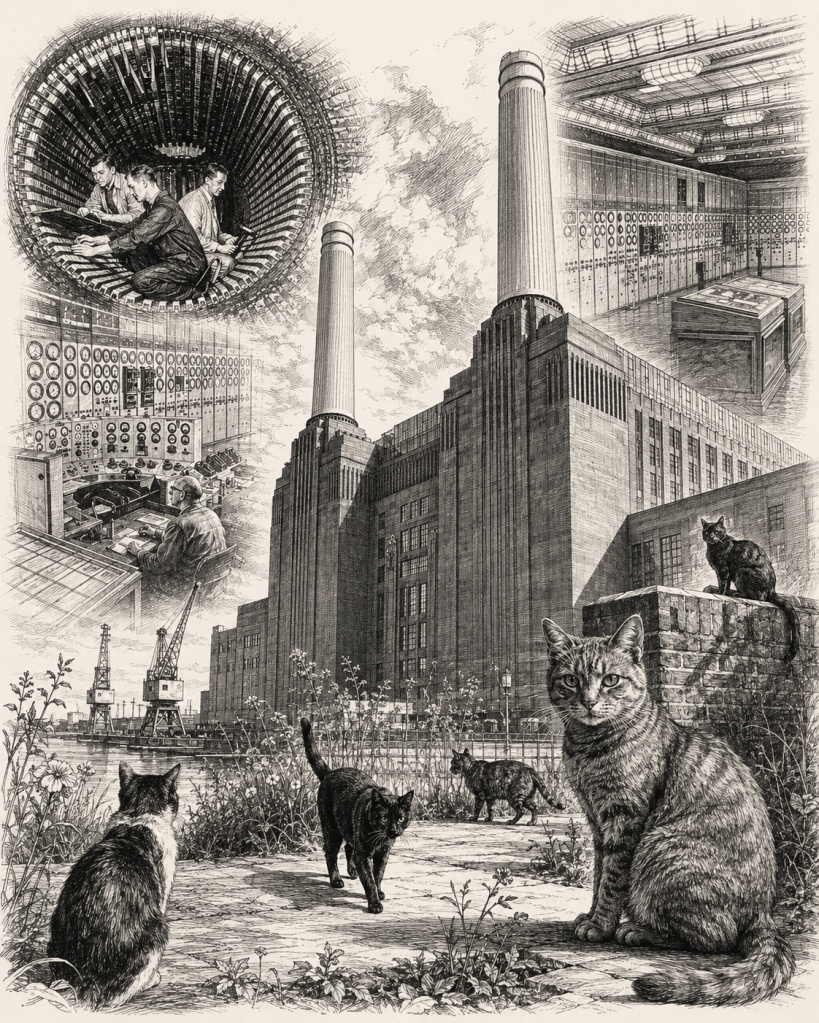
Last Friday, July 24th 2026,I walked 21 kilometres through London. I walked through Pimlico, BAttersea and Chalsea. Battersea Park was not part of my original plan, but—as often happens during my city walks—I became curious and deviated from the planned itinerary. That spontaneous detour led me to Battersea Power Station, one of London’s most recognisable industrial landmarks.
The building is no longer a working power station. Today, it has been beautifully transformed into a vast shopping, dining and leisure complex, while retaining much of its original industrial character. The enormous scale, exposed structure and surviving architectural details make it feel completely different from an ordinary shopping centre. It is polished and modern, but the building’s former life is still noticeable.
A Temple Devoted to Energy
Battersea Power Station first generated electricity in 1933 and continued operating until it was decommissioned in 1983. It was built in stages: the first section, Battersea A, was completed during the 1930s, while the later Battersea B section and the final chimney were completed in the 1950s. At its peak, the station produced as much as one-fifth of London’s electricity, supplying major landmarks including Buckingham Palace and the Houses of Parliament.
Its importance was reflected in the grandeur of the building. The director’s entrance was clad in marble and fitted with majestic bronze doors. Critics even compared Battersea Power Station to a Greek temple devoted to energy. It was not designed merely as a functional industrial site. It was built as a monument to electricity, engineering and human progress.
After leaving the enormous multi-storey gallery filled with shops, cafés and restaurants, I stumbled across a small exhibition about the history of the power station. It was easy to miss, but it became one of the most fascinating parts of my visit.
When People Controlled London’s Electricity
Looking at the photographs of Control Room A, I found it difficult to believe that, not so long ago, such an enormous and complicated system depended so heavily on human attention. Workers monitored everything happening inside the power station and controlled the steady flow of electricity from the huge turbines into London. A sudden surge could cause a power cut or even a fire. A mistake made at one of those panels could affect thousands of people across the city. The control room was filled with endless switches, dials, gauges and warning lights, all of which had to be watched, understood and operated by human beings.
There were no modern digital dashboards quietly interpreting the information in the background. The workers themselves had to notice changes, make judgments and respond quickly. The responsibility must have been enormous. Control Room A managed electricity distribution across London from the early years of the station until the building was fully decommissioned in 1983.
The Cats of Battersea Power Station
Yet the detail that stayed with me most was not about electricity, architecture or engineering.
It was about the cats.
According to Brian Davison, who worked at Battersea Power Station as a student apprentice between 1948 and 1953, the turbine hall was an exceptionally noisy place. Workers did not have ear defenders in those days. Plant operators fed cats so that they would remain inside the building and help keep the mouse population under control. These cats therefore lived among the constant roar of turbines and machinery. The noise was not an occasional disturbance. It was the permanent background to their existence.
Davison recalled that on the rare occasions when the station shut down, the cats could not handle the silence and “went berserk.” I could not stop thinking about that sentence.
When Silence Becomes Disturbing
Cats are usually associated with quietness, solitude and stillness. Yet these particular Battersea Power Station cats had adapted so completely to industrial noise that silence itself became alarming. The roar of the machinery had become normal. When it disappeared, the sudden absence may have felt as though something had gone terribly wrong.
Perhaps the cats raced around the building, became unusually vocal or searched frantically through the turbine hall. Perhaps the constant machinery had previously masked quieter sounds, such as footsteps, mice moving, pipes cooling or metal contracting. When the turbines stopped, the cats may suddenly have entered an unfamiliar acoustic world. We cannot know exactly what “went berserk” looked like. It was one former worker’s colourful description rather than a scientific record. But the story reveals something fascinating about adaptation.
We Adapt to Almost Anything
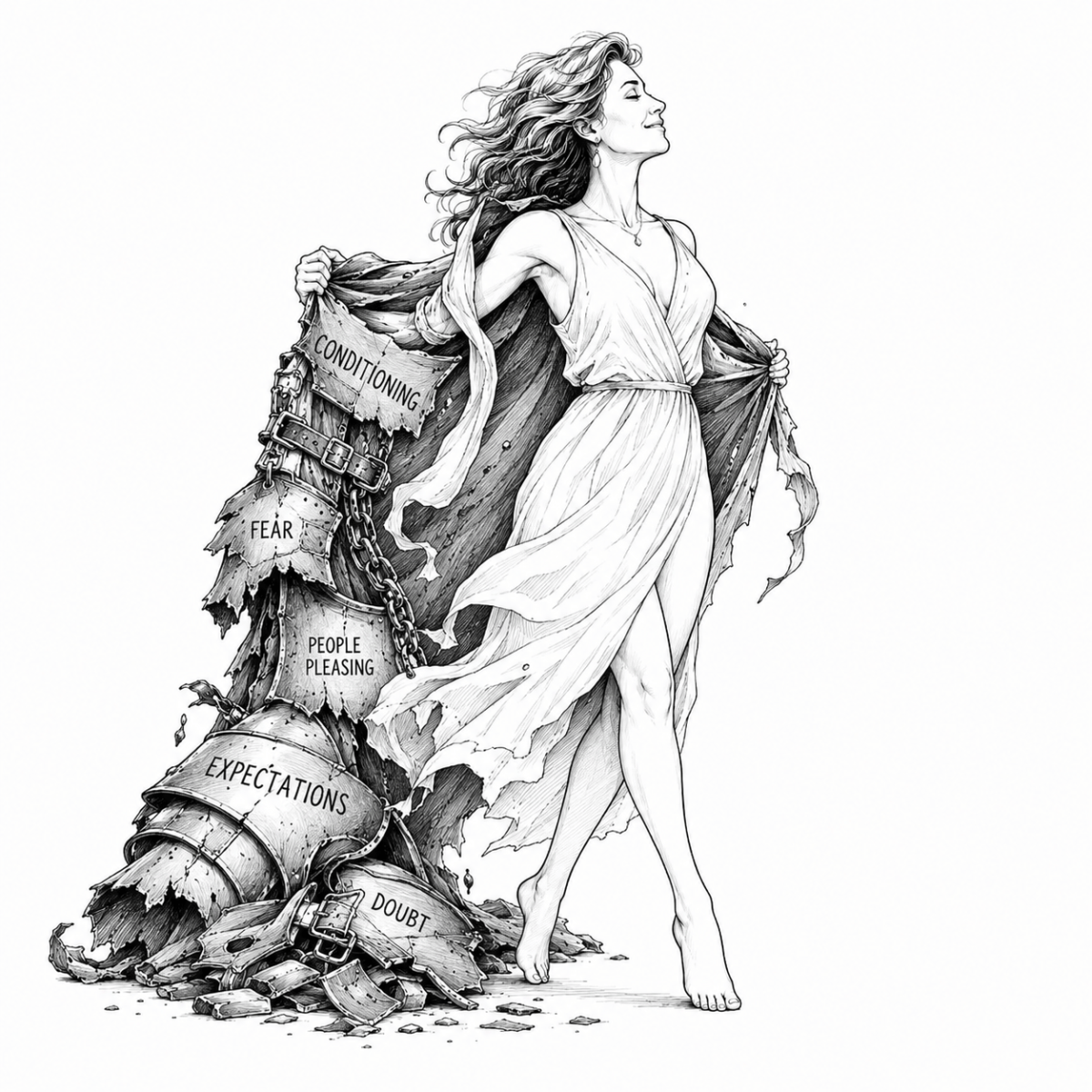
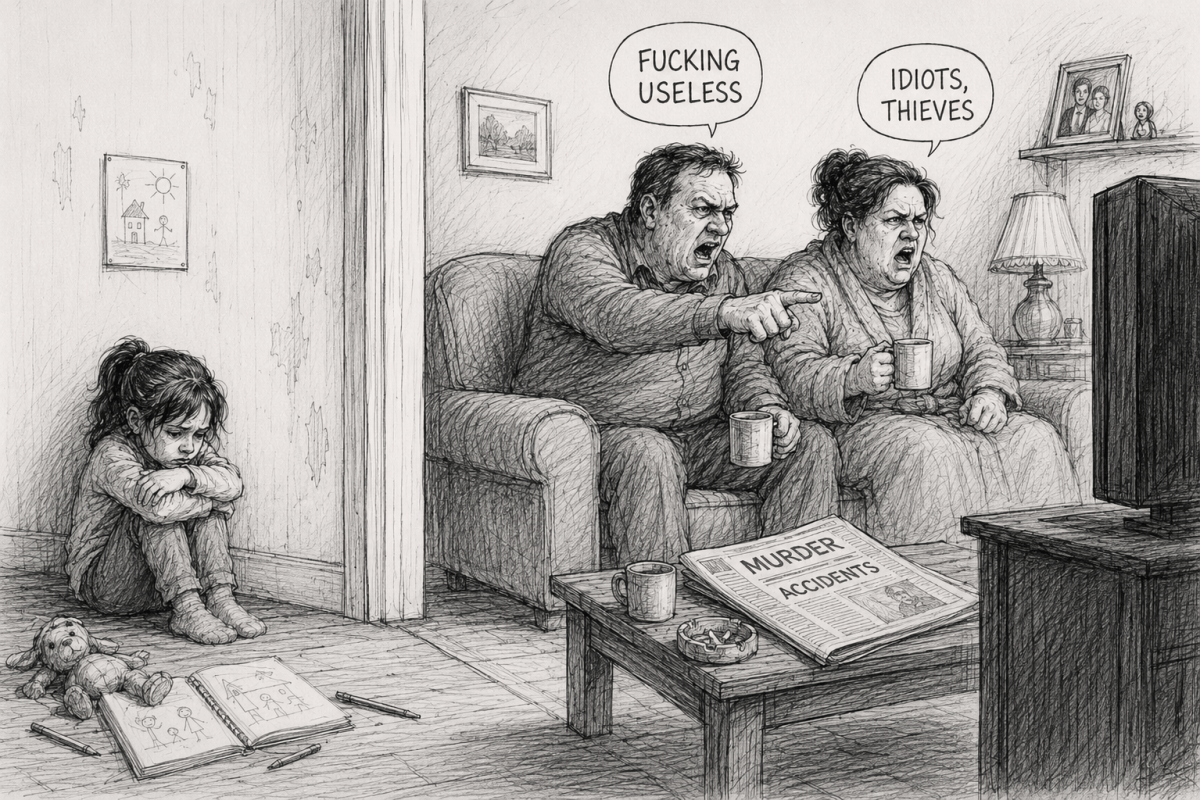
We do not adapt only to what is healthy, pleasant or nourishing. We adapt to whatever surrounds us consistently enough. We adapt to noise, stress, overwork, constant stimulation, chaotic relationships, background television, endless notifications and the pressure to remain permanently busy. Once something becomes familiar, the nervous system begins to treat it as part of the environment, even when it is exhausting or harmful. When that familiar condition disappears, we may feel restless or unsettled. The discomfort can be interpreted as evidence that we need the thing that has been removed. But discomfort after removal does not always mean deprivation. Sometimes it simply reveals how deeply we were conditioned by repetition. We often confuse familiarity with necessity.
“It’s Very Quiet Today”
I remember this reaction from my old workplace. Whenever the office became unusually calm, someone would announce with concern:
“It’s very quiet today.”
I never understood why quietness was treated as something unsettling or unwelcome. My internal response was always: So what? Enjoy it, for God’s sake. But perhaps my colleagues were reacting to silence same way the Battersea cats did. Constant activity, conversation, interruption and background noise had become normal. Silence did not feel restful to them. It felt uncomfortable and awkward. For some people, quietness creates an uncomfortable space. Without external noise, their own thoughts become more audible. Restlessness, boredom, loneliness, anxiety or uncertainty may rise to the surface. It is easier to fill the silence than to discover what it contains.
The Space Beneath the Noise
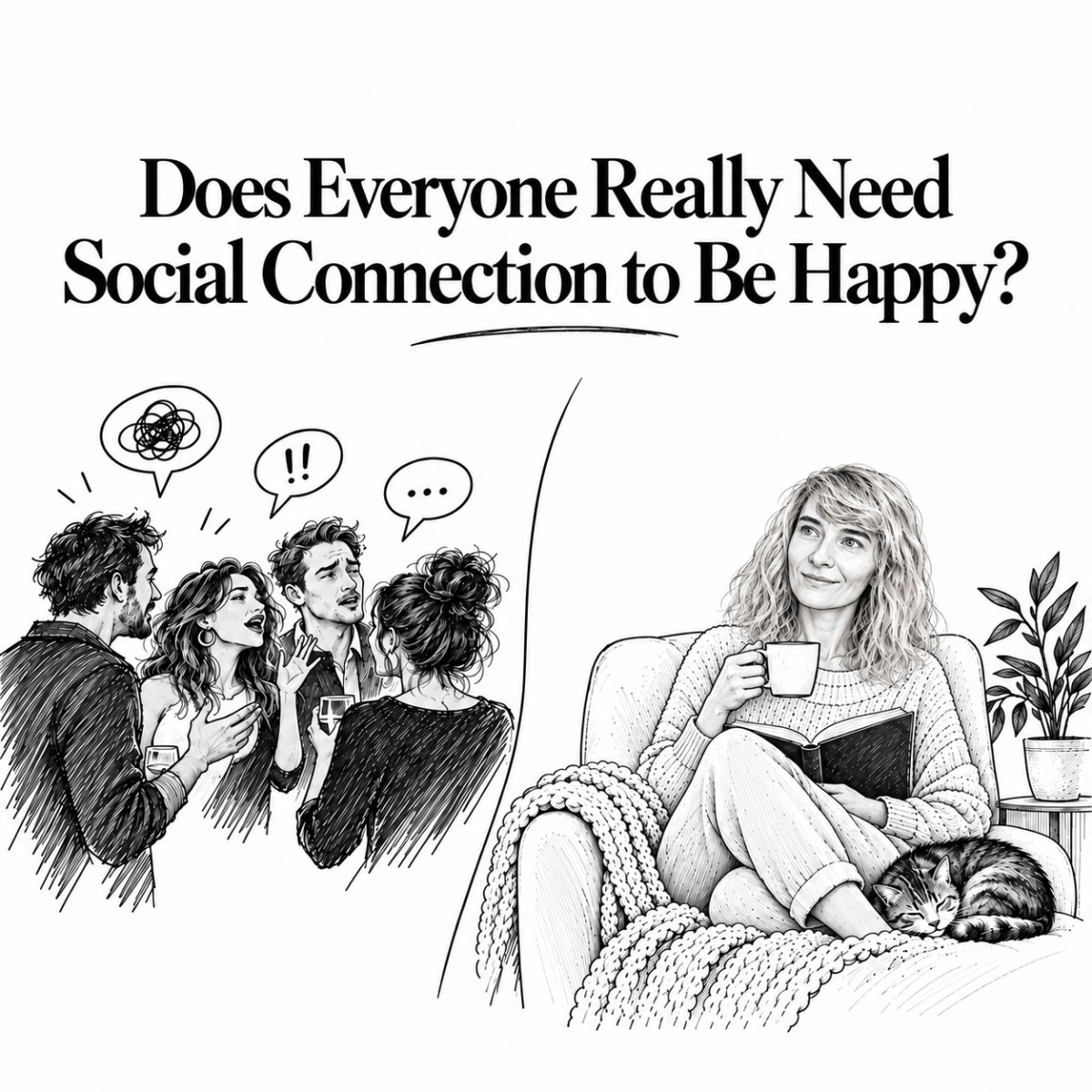
Perhaps this is why so many people switch on music, television or a podcast the moment they are alone. They scroll through their phones, send messages or search for stimulation before silence has the chance to settle around them. But silence is not necessarily empty. It can create space for imagination, self-awareness, self-introspection and ideas that cannot emerge while the internal turbine hall is constantly roaring. It may feel strange at first precisely because we have had so little practice experiencing it.
The Battersea cats could not understand why their familiar world had suddenly changed. They could only react to the disappearance of the noise. We have another option. We can remain still long enough for silence to stop feeling like a malfunction. We can allow our nervous systems to learn a different, and perhaps healthier normal. And unlike the cats of Battersea Power Station, we can choose not to go berserk.




Leave a comment