I decided to write this post because perhaps you are where I was two or three years ago: considering a shift towards freelancing or self-employment, but not entirely sure whether you are brave enough, experienced enough, young enough, or simply ready.
By no means am I an authority on freelancing. I am still very much an emerging freelancer, but perhaps that is exactly why I want to share my story now rather than five years from now, when everything may look polished and obvious in hindsight. I am still building, experimenting, getting things wrong, trying new things and learning what kind of working life actually suits me.
First, decide why you want to freelance
I started seriously toying with the idea of freelancing approximately three years ago. I had been in regular employment for almost my entire adult life, mostly in education, with a little social care along the way. Since 2019, I had also experienced occasional bursts of freelancing alongside my full-time teaching career, mainly through translation. It was nothing substantial, perhaps two or three translation projects per year earning me around £2,000 in total, but there was something incredibly exciting about the realisation that I could supplement my income from the comfort of my own home, using nothing more than my laptop and the skills I already had.
The years of full-time employment were a necessary foundation for me. I needed those years, and I do not regret a single one of them. Working for other organisations taught me a huge amount. I developed transferable skills, improved my IT skills, learnt how to communicate with different people and professionals, and, most importantly, grew as both an individual and a professional.
I came to the UK at the age of 28 with almost five years of ESL teaching in secondary schools already under my belt. However, working in British education, including more than eight years with students with SEMH needs, was transformative for me. I attended training in areas ranging from NeuroNinjas and neuroplasticity to attachment, trauma, childhood development and neurodivergence. My understanding of human psychology, the brain, upbringing and the impact of childhood on adult life grew exponentially. I learnt new concepts, new terminology and new ways of understanding behaviour, and all of this made me much more self-aware. Self-awareness, self-discovery and self-growth gradually became an important trajectory in my life.
My 9–5 years gave me more than a salary
Working in conventional employment allowed me to collect skills, accumulate knowledge and build savings. It also put me in a position to get a mortgage and buy my own maisonette. Once I felt financially more stable, the idea of working for myself grew stronger and stronger.
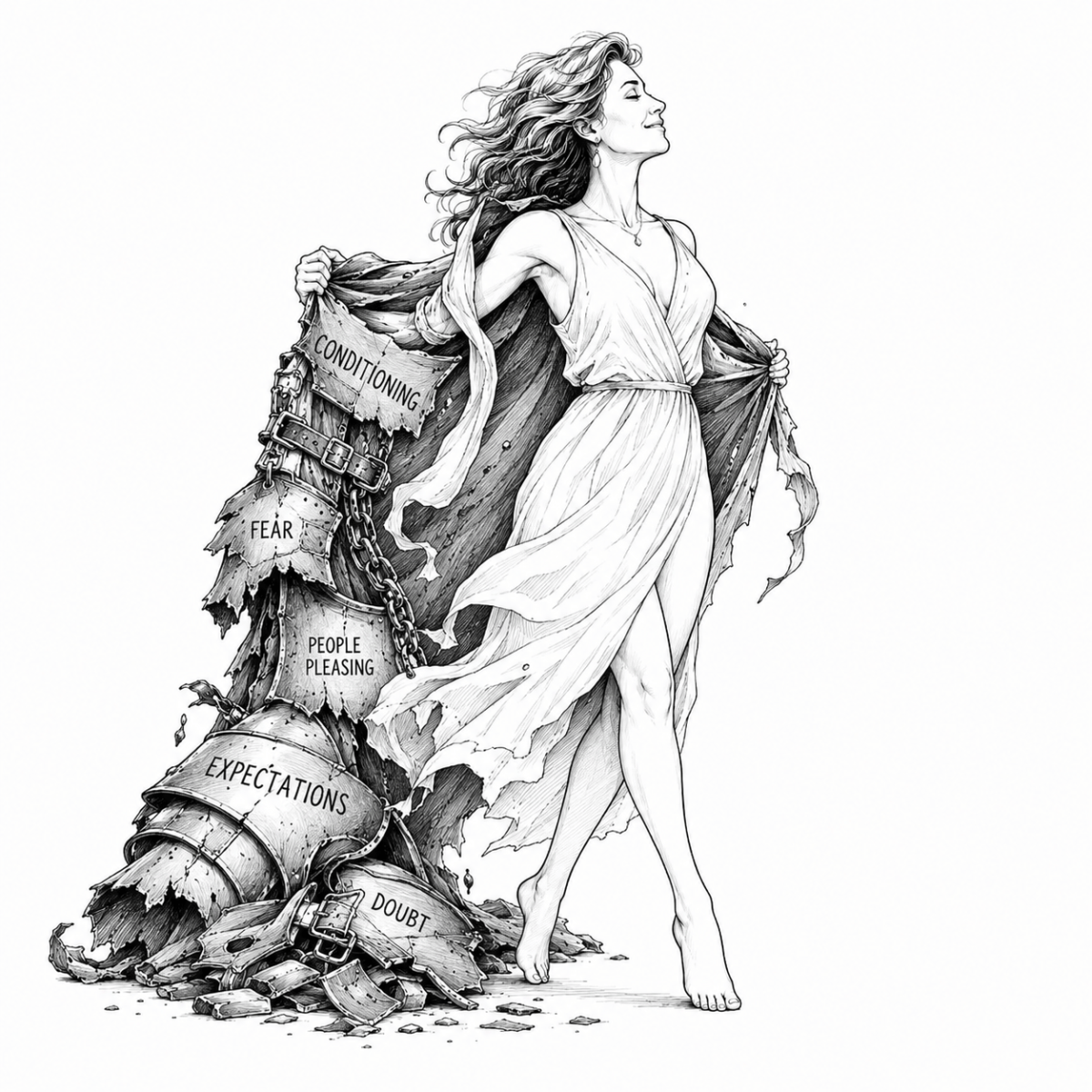
Eventually, working Monday to Friday began to feel increasingly restrictive. I started loosening the shackles from around 2023 onwards. First, I reduced my contracted hours to 30 and dropped Fridays. Then I travelled to India and completed two months of 500-hour yoga teacher training. While I was there, I met many people living alternative lifestyles: digital nomads, online yoga teachers, meditation teachers, prana teachers and people who had completely changed careers in their 50s. For someone like me, who had spent years surrounded mainly by people working conventional jobs and waiting for retirement at 68, this was enormously eye-opening.
The biggest shift came when I finally mustered the courage to leave my stable, well-paid teaching job and travel for eight months.
The moment I realised I could actually work from anywhere
During those eight months, I supported myself partly through online teaching. I deliberately worked part-time because I did not want my laptop to consume my entire day. I wanted to explore, immerse myself in different cultures and actually experience the places I was travelling through rather than simply relocate my working week to another country.
Those months were important because they proved something to me: I could support myself by working online. I taught English from a bunk bed in a shared dorm in Varanasi, from a café in Udaipur, from a beautiful room overlooking lush hills and jungle, and with hot-air balloons floating over the landscape in Vang Vieng. Then other income opportunities began appearing too, including translation projects and my first voice-over work through Upwork. Those additional projects helped pay for accommodation and food and reassured me that my decision to experiment with online work and travel had not been completely mad.
When I eventually returned to the UK after eight months, I decided to start building my freelance lifestyle more seriously.
Where I am now: still emerging, still experimenting
Right now, I am nowhere near where I ultimately want to be financially. There is still a significant gap between the income I earn through regular teaching and the income coming from my other freelance activities. But I am an emerging freelancer, and I am learning that working for yourself requires a completely different mindset.
I am gradually developing my freelance muscle. I am learning to manage my time more effectively, market my skills, present myself professionally and tolerate uncertainty. I finally verified my Fiverr account and created new gigs. I polished my profiles on TranslatorsCafe and ProZ. I opened an Etsy shop selling digital art, although there have been no sales yet. I started posting regularly on LinkedIn. I began treating content creation more seriously, and I have been exploring professional writing, voice work and educational content alongside translation and teaching.
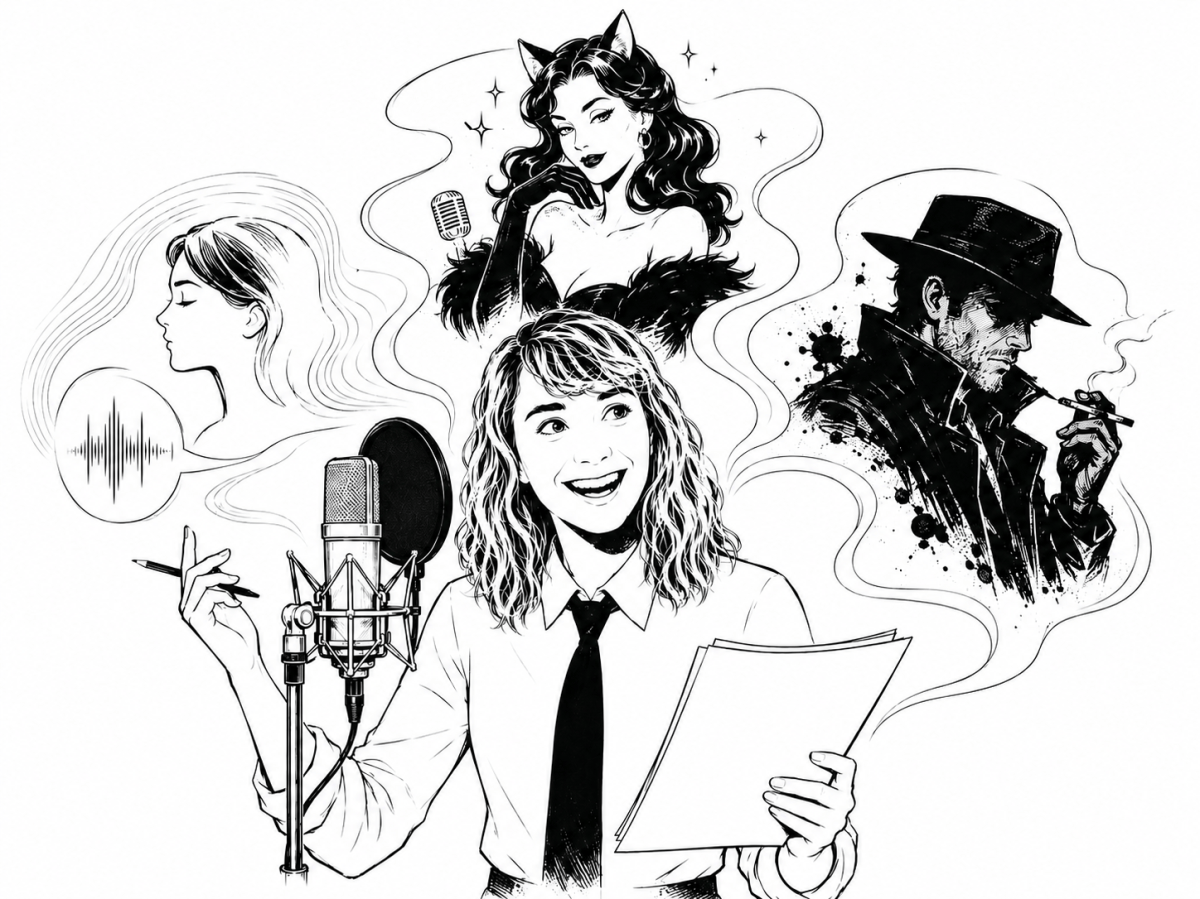
These last few months of more deliberate freelancing have been highly experimental. Travelling and teaching online was one kind of freedom, but building a serious self-employed career afterwards is something else entirely. The exciting part is that I am discovering skills and interests that may have been lying dormant for years. I realised that I genuinely enjoy voice acting. I enjoy creating educational content. I enjoy writing. I am even toying with the idea of recording my first podcast, partly because I like the thought of bringing together writing, voice, stories and ideas in one place.
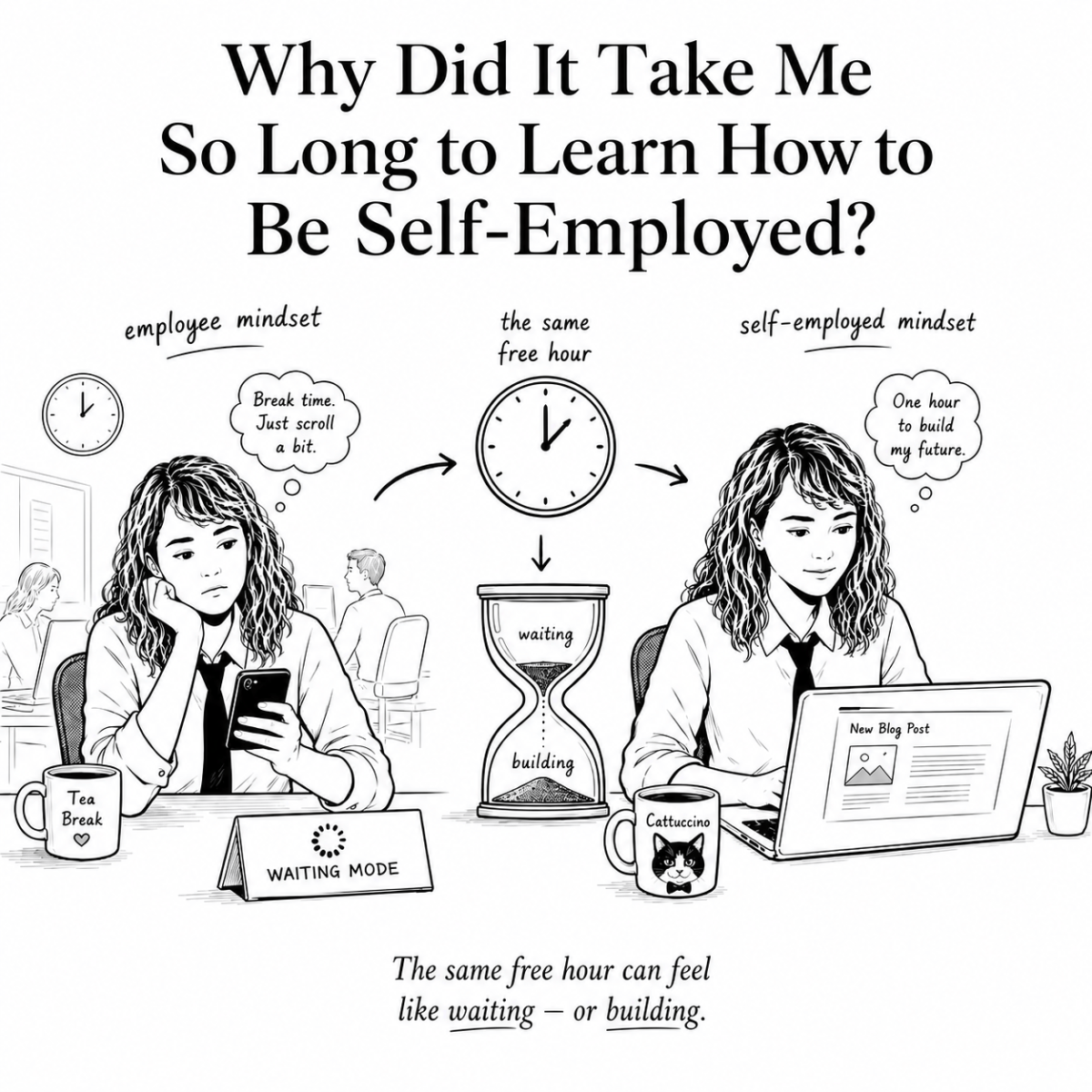
Freelancing has also changed something much more ordinary: what I can do with the gaps between work. Because I work from home, a break does not necessarily mean sitting in a staffroom scrolling through my social media. I can move. I can dance. I can experiment. Over time, those little breaks became a movement practice of their own, which I eventually named Outlanga. It is difficult to fit neatly into one box because that is partly the point. It blends elements of dance, yoga, Pilates, tai chi and spontaneous, intuitive movement, but without strict choreography or the feeling that I am following somebody else’s prescribed routine. It is playful, repetitive, instinctive and increasingly feels like something I may eventually want to teach.
Something similar has happened with music. I started recording little tunes and fragments of melodies, which I now think of as my Dothleen tunes. They are still tiny creative experiments rather than polished musical productions, but that almost makes them more important to me. I am discovering what happens when I give myself permission to create something simply because it wants to be created, without first asking whether it is sensible, profitable or professionally respectable.
That, unexpectedly, may be one of the biggest gifts freelancing has given me so far. It has created room not only to earn money differently, but also to discover what else might be hiding in me. Translation led me towards specialist language work. Teaching led me towards coaching and educational content. Voice work made me curious about acting and recording. Working from home gave me the space to develop Outlanga. Writing online has made me wonder whether I could write professionally. The little tunes made me curious about music. Now I am thinking about a podcast.
I do not yet know which of these things will remain hobbies, which will become income streams, and which may eventually disappear altogether. For once, I am comfortable not knowing. This stage is experimental by nature. I am collecting building blocks.
Is it too late to start freelancing?
No. Definitely not.
In fact, I would go further and say that starting later can come with real advantages. When you are older, you may have greater financial stability, a broader skill set, more work experience and, importantly, much better self-awareness. You are often in a stronger position to understand what you are good at, what you refuse to tolerate and what kind of working life you actually want to create.
If you are considering freelancing, I would suggest starting small while you are still employed. Try a few gigs alongside your normal job. It gives you a chance to test the waters and build foundations without immediately depending on freelance income for survival. I started translating and tutoring online as side work long before I left regular employment, and that gave me some evidence that there were other ways of earning money.
I would also suggest experimenting with different things. That is one of the great beauties of freelancing. You have more space to test different directions and gradually focus on the ones that suit you best. You do not have to decide at the beginning what your entire professional identity will be for the next twenty years. Perhaps the skill that eventually becomes important to you is one you have not even discovered yet.
The other major piece is mindset. When I first became more self-employed and had greater control over my workload and time, I often felt guilty. Walking around at 10:00 in the morning while all respectable employees were apparently sitting in their offices or cubicles felt almost criminal. I had to consciously replace that guilt with gratitude. It took me years of work, savings, qualifications, experience and risk-taking to reach a point where I had that kind of freedom.
Not my circus, not my monkeys
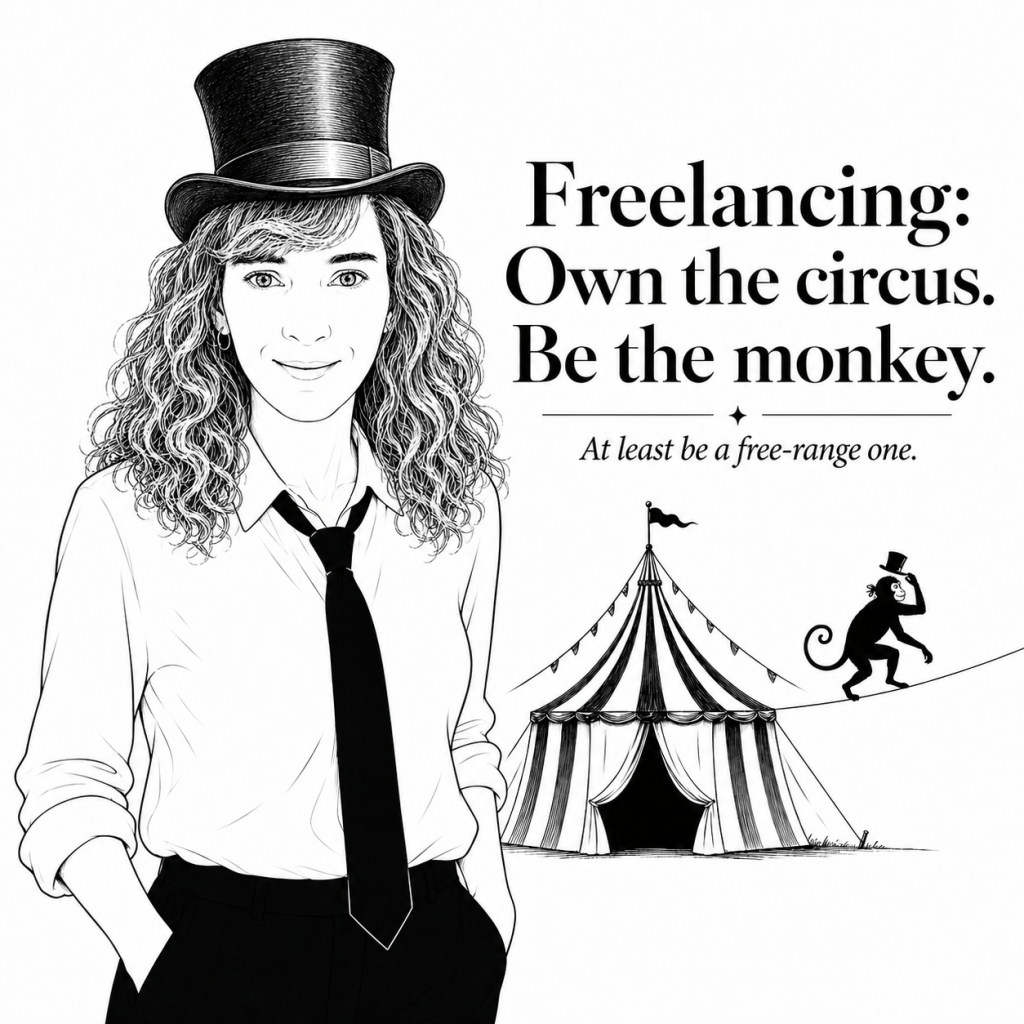
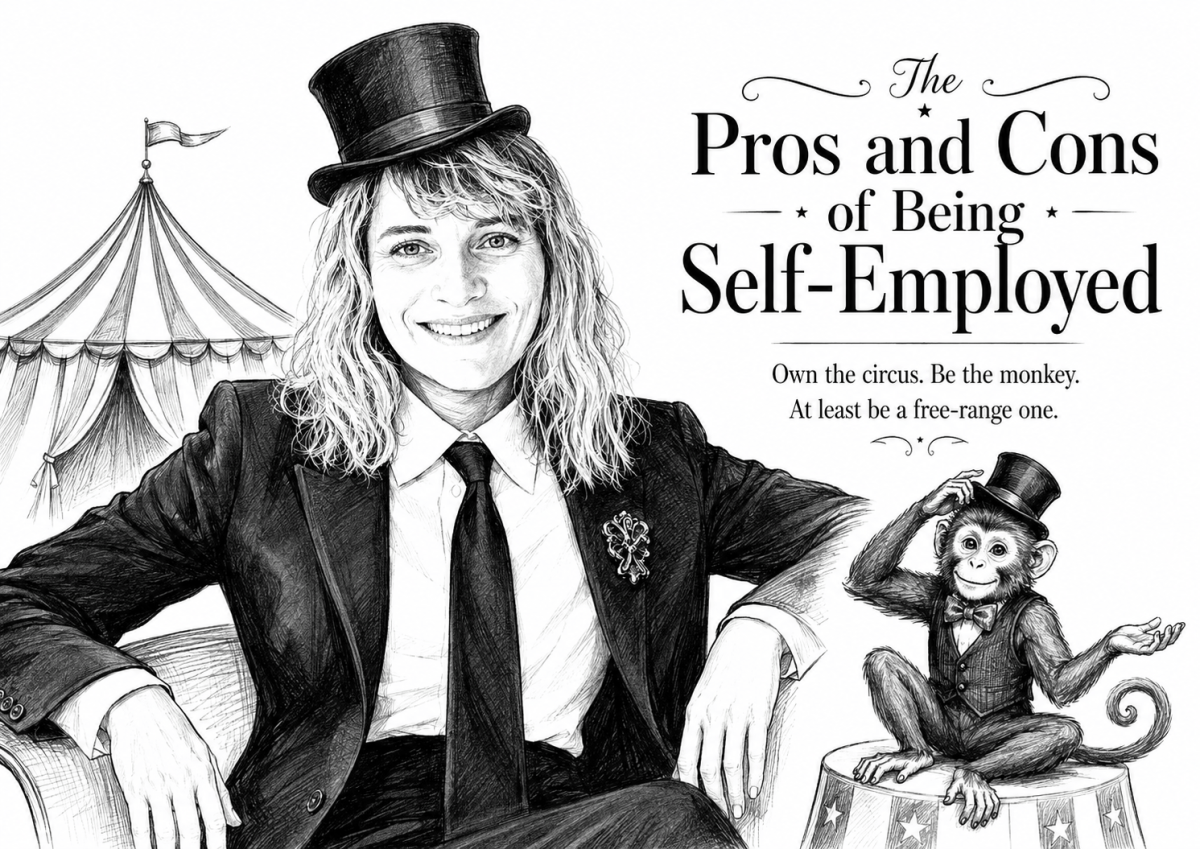
There is a Polish proverb that roughly translates as: “Not my circus, not my monkeys.” It means that if you do not own the circus, you should not be worrying about someone else’s monkeys.
But recently I realised that the proverb also works rather beautifully as a metaphor for self-employment.
When you work for someone else, they own the circus and, metaphorically speaking, the monkeys. You are trained to perform a particular set of tricks, and that is your job. There is security in that. There is structure. Someone else deals with the bigger picture.
Once you decide to build your own circus, however, you become both the circus owner and the monkey. You have to decide what to perform, where to perform it, how to market it, how much to charge, how to find clients and how to make the whole bloody thing financially sustainable. That is the hard part, and perhaps one reason why so many people understandably prefer employment. It is easier. It is safer. There is someone else holding the clipboard.
At the moment, I own the circus and I am also the monkey. I am translating, teaching, writing, experimenting with voice acting, making strange little tunes, dancing around my living room and plotting a podcast while simultaneously trying to work out how to turn some of this into sustainable income.
It is bloody hard sometimes. But it is also alive, unpredictable and mine.
And at least I am a free-range, middle-aged monkey. 😀
For now, I think I rather like that.


 START HERE
Leave a comment