When people think of Agra, the first image that springs to mind is the iconic Taj Mahal, with its gleaming white marble and intricate Mughal architecture. One of the Seven Wonders of the World and a UNESCO World Heritage Site, the Taj Mahal is an immense mausoleum and an enduring symbol of love. It is also one of the most beautiful and exquisite buildings ever created. I had always wanted to visit the majestic and mysterious Taj Mahal, but little did I know that my trip to Agra would reward me not only with rich history and extraordinarily beautiful monuments, but also with the unforgettable and humbling experience of meeting the Sheroes—women who survived acid attacks.
Who are the Sheroes of Agra?
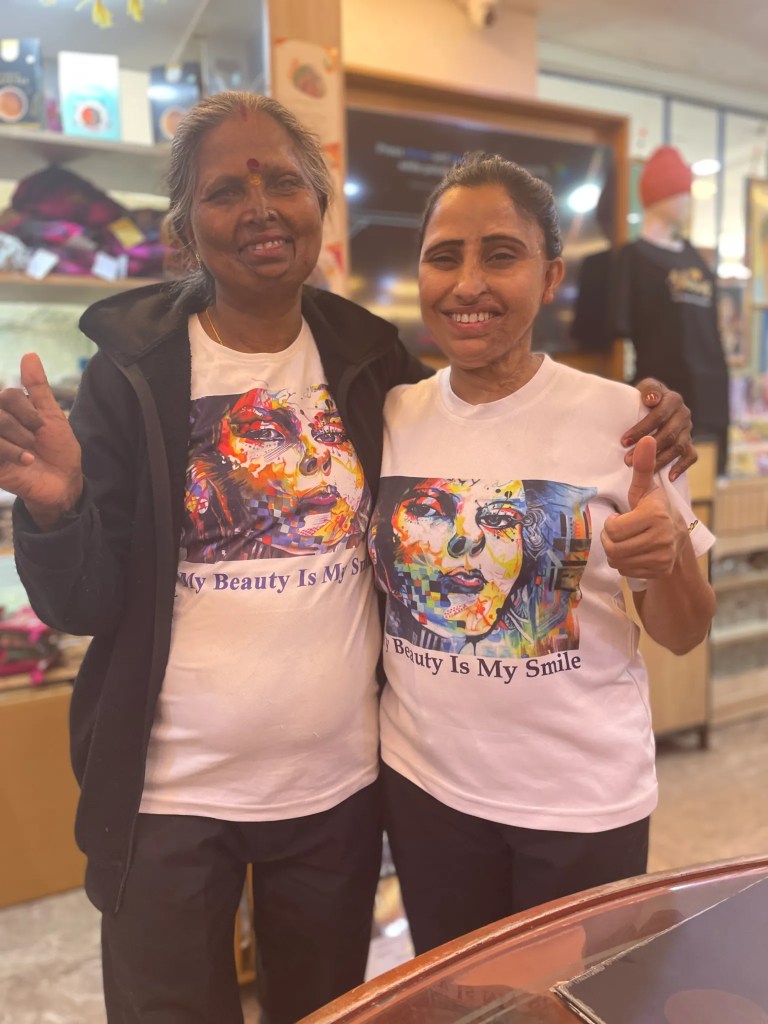
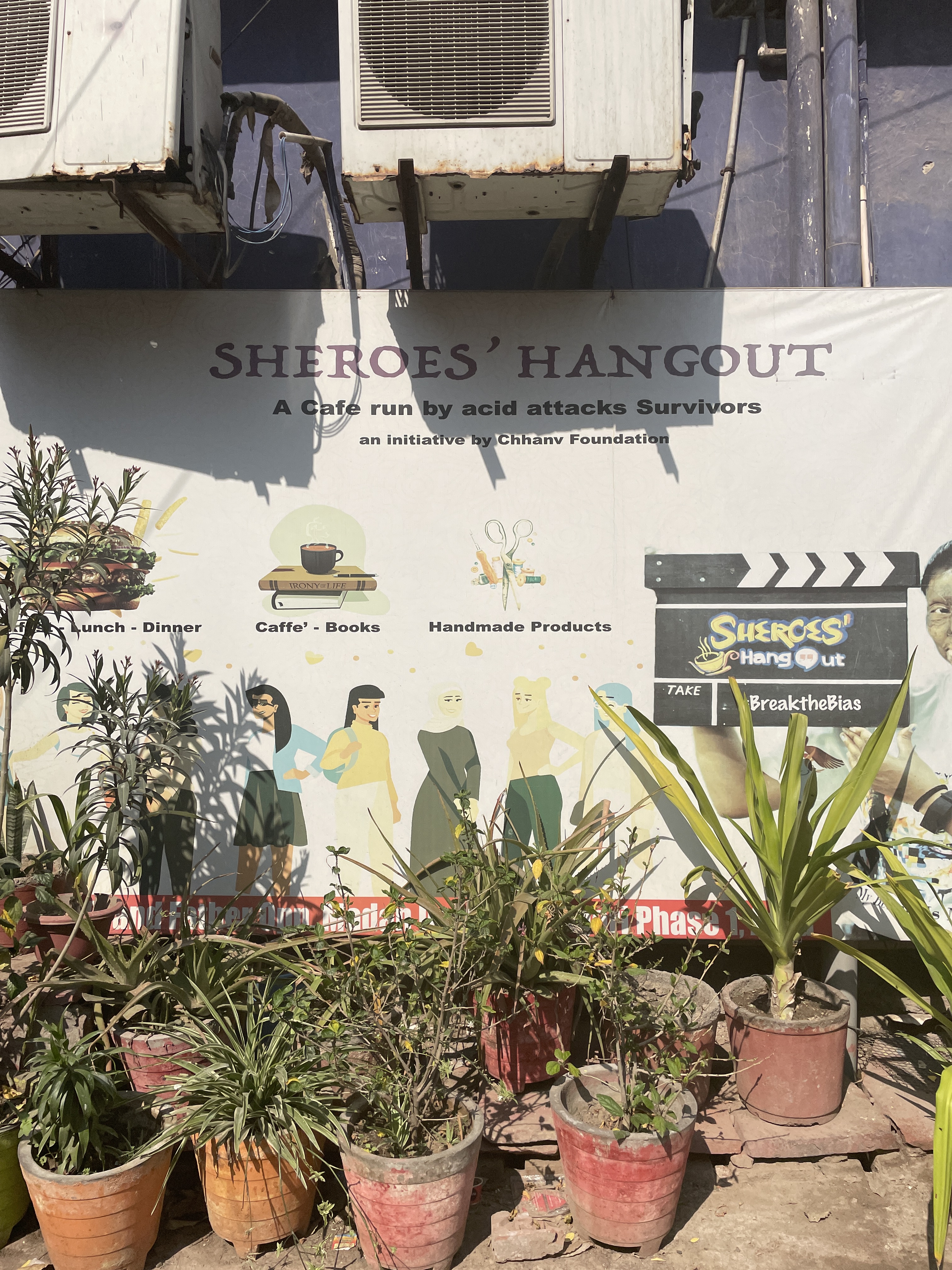
A shero is a woman admired for her courage, strength and perseverance. The word means a she-hero: a woman who refuses to give up, despite the tragedies she has endured. Have you ever met a shero face to face? I felt honoured to meet several remarkable women at Sheroes Hangout Café in Agra, Uttar Pradesh, India. All the women employed at the café are acid attack survivors. Many were attacked by people they knew, often as revenge for rejecting a marriage proposal or sexual advances, or as a brutal punishment inflicted by a jealous husband.
The café began as a crowdfunded project in 2014 and operates on a “pay what you want” model, meaning visitors can contribute as much as they feel able to give. It provides employment opportunities for acid attack survivors and helps them rebuild their lives, regain their confidence and restore their self-esteem. More than a café, it is a place of dignity, solidarity and resilience—a space where women who have endured unimaginable violence can be seen not as victims, but as survivors, workers and Sheroes.
The café is the first world’s café run by acid attack survivors. It is a testament to the strength and determination of brave ladies who refuse to let their physical and emotional scars define them. Once the attack happens, the victim’s life is completely disrupted. Survivors often lose support from family and friends after an attack, largely due to social ostracism they endure. The process of obtaining compensation can be very challenging, lengthy and burdensome. This is why places such as Sheroes Café Hangout are so important for supporting the victims and raising awareness about gender violence.
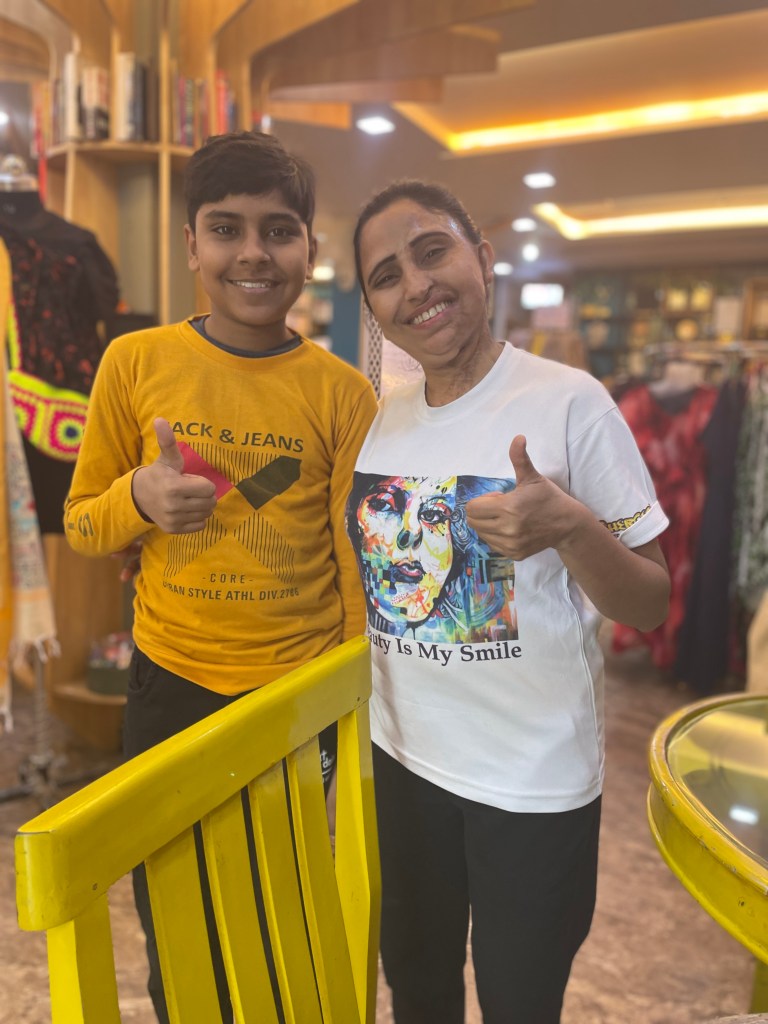
The café not only provides employment opportunities for survivors of misogynistic violence, but also serves as a safe space for women’s empowerment and for raising awareness of acid attacks and their devastating impact on the lives of those who survive them. Through their courage and determination, these women are not only reclaiming their own lives, but also inspiring others to overcome adversity and transform pain into power. Their stories are a powerful testament to the resilience of the human spirit and to the importance of community support in rebuilding a life after unimaginable trauma.
When you visit Sheroes Hangout Café, you have the opportunity to speak with women who survived acid attacks. Every woman working there has a tragic story to tell, but each is also a story of heroism, courage and dignity. I spoke with Rukkaiya, who told me about her dreams, her goals and her love of poetry. As she talked about the poems she writes and the future she hopes to create, her whole face brightened. After a while, I no longer noticed her scars. All I could see was her beautiful smile and expressive eyes—eyes full of hope, inspiration, joy and wisdom.
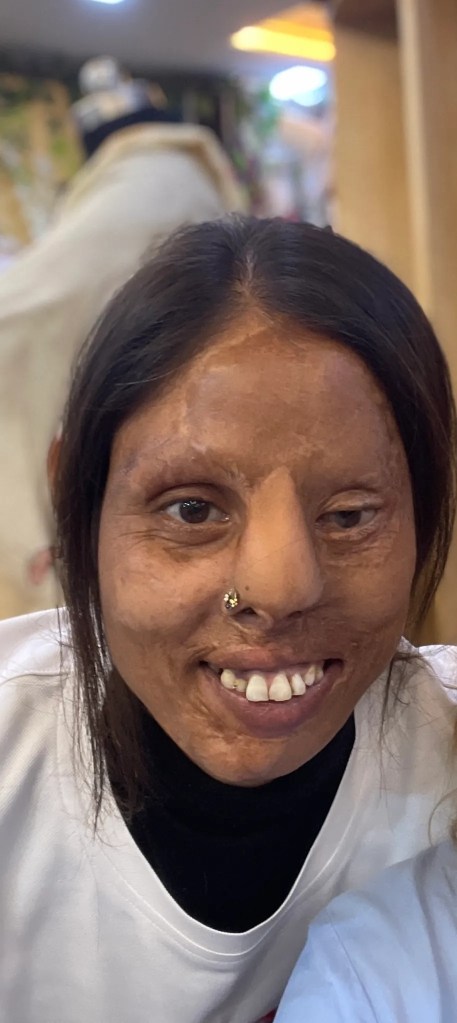
The women working at the café asked whether I would like to watch a documentary about the experiences of acid attack survivors, and I agreed. The film left me deeply moved and emotional. Some of the women had been attacked by men, while others had been harmed by female members of their own families. One young woman, for example, was attacked by her stepmother as a cruel punishment for not giving the family a grandson. When the stepmother threw acid over her in the middle of the night, she initially thought it was raining. There was no electricity in the village where she lived, so she could not see what had happened. She felt as though her skin was melting and dripping, like chocolate melting in the heat. She remained in hospital for three months. Another teenage girl was attacked by a 45-year-old contractor whom she had trusted and regarded as an uncle. Many survivors were only fourteen or fifteen years old when they were attacked. Acid attacks frequently affect girls and women between the ages of thirteen and thirty-five, and many are carried out after the rejection of marriage proposals or sexual advances, or in connection with dowry disputes.
What shocked me most was the fact that perpetrators of acid attacks often fail to receive punishment proportionate to the brutality of their crimes. Many survivors are denied justice, while the consequences of the attack remain with them for the rest of their lives. Such atrocities should never be allowed to continue unchecked. There must be stronger legal protection for survivors, more effective prosecution of offenders and far stricter controls on the sale and availability of corrosive substances.
The Sheroes initiative has also inspired documentaries and films, including Chhapaak, which draw attention to both the suffering and the extraordinary resilience of acid attack survivors. Reported cases of acid attacks in India have risen sharply: from around 85 cases a year in 2012 to approximately 307 cases annually in more recent years. These figures are deeply alarming and underline the urgent need for stronger legal enforcement, tighter controls on the sale of corrosive substances and greater support for survivors.
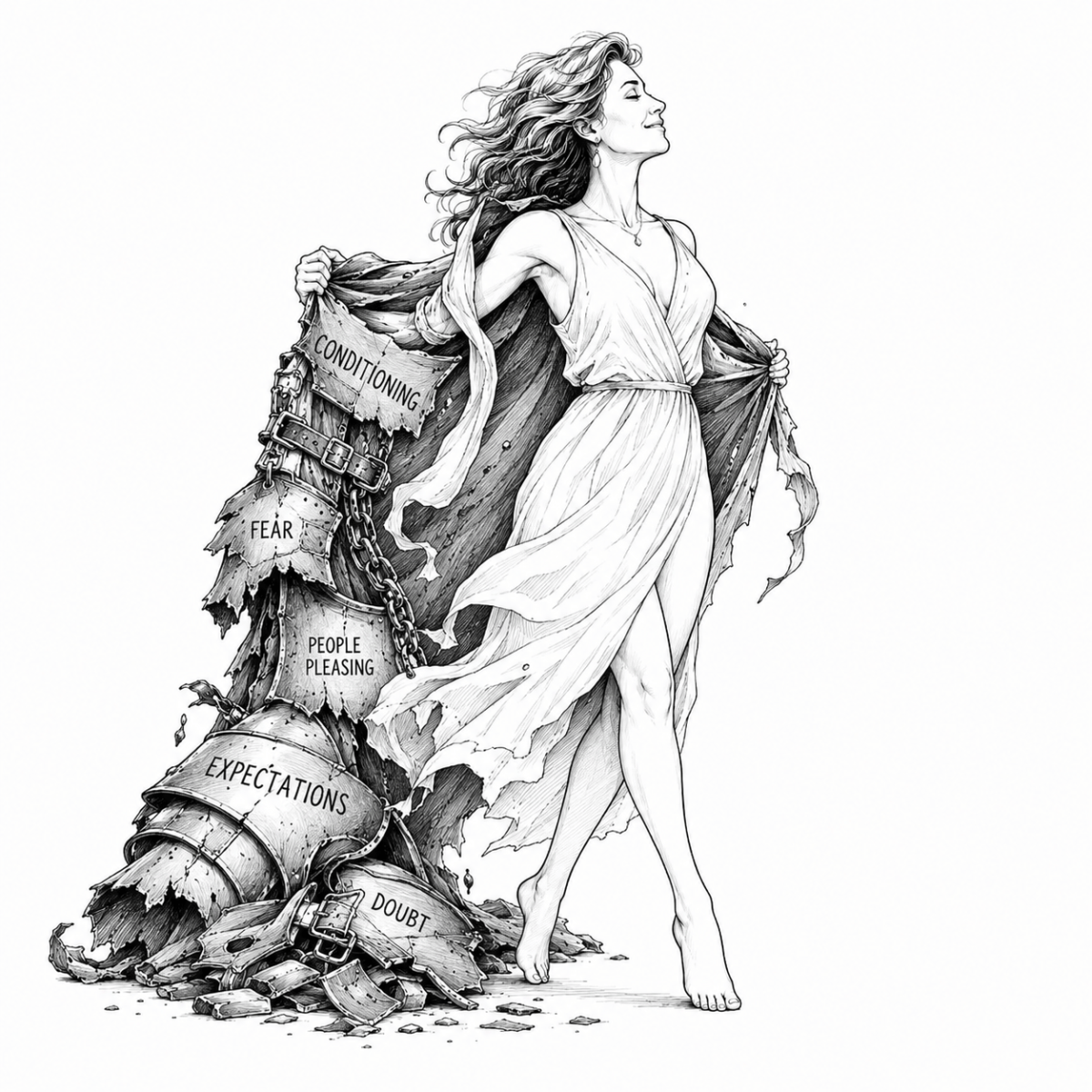
Through their courage and determination, acid attack survivors are not only reclaiming their own lives, but also inspiring others to overcome adversity and transform pain into power. Their stories are a powerful testament to the resilience of the human spirit and to the vital role that community support can play in rebuilding a life after trauma.
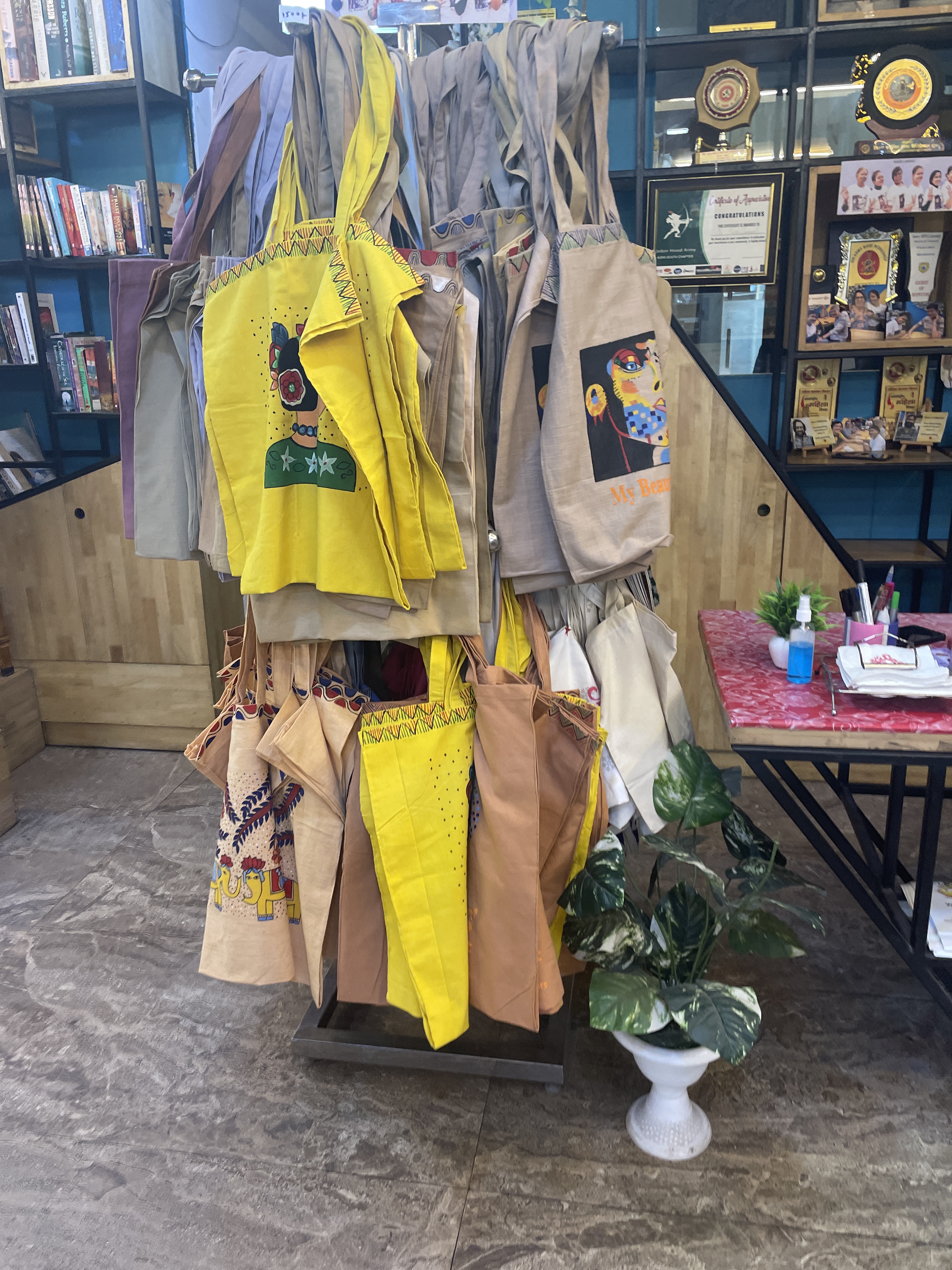
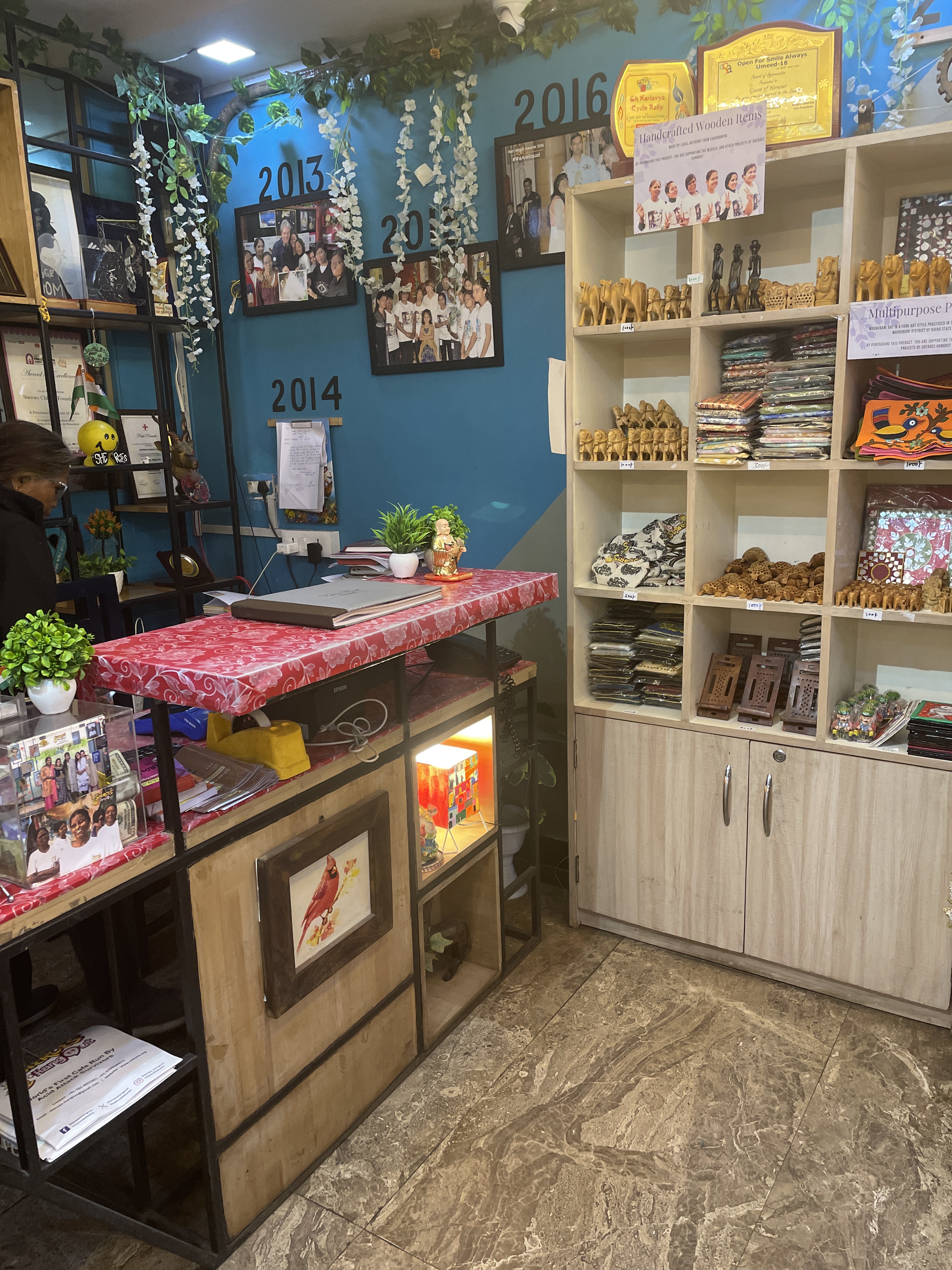
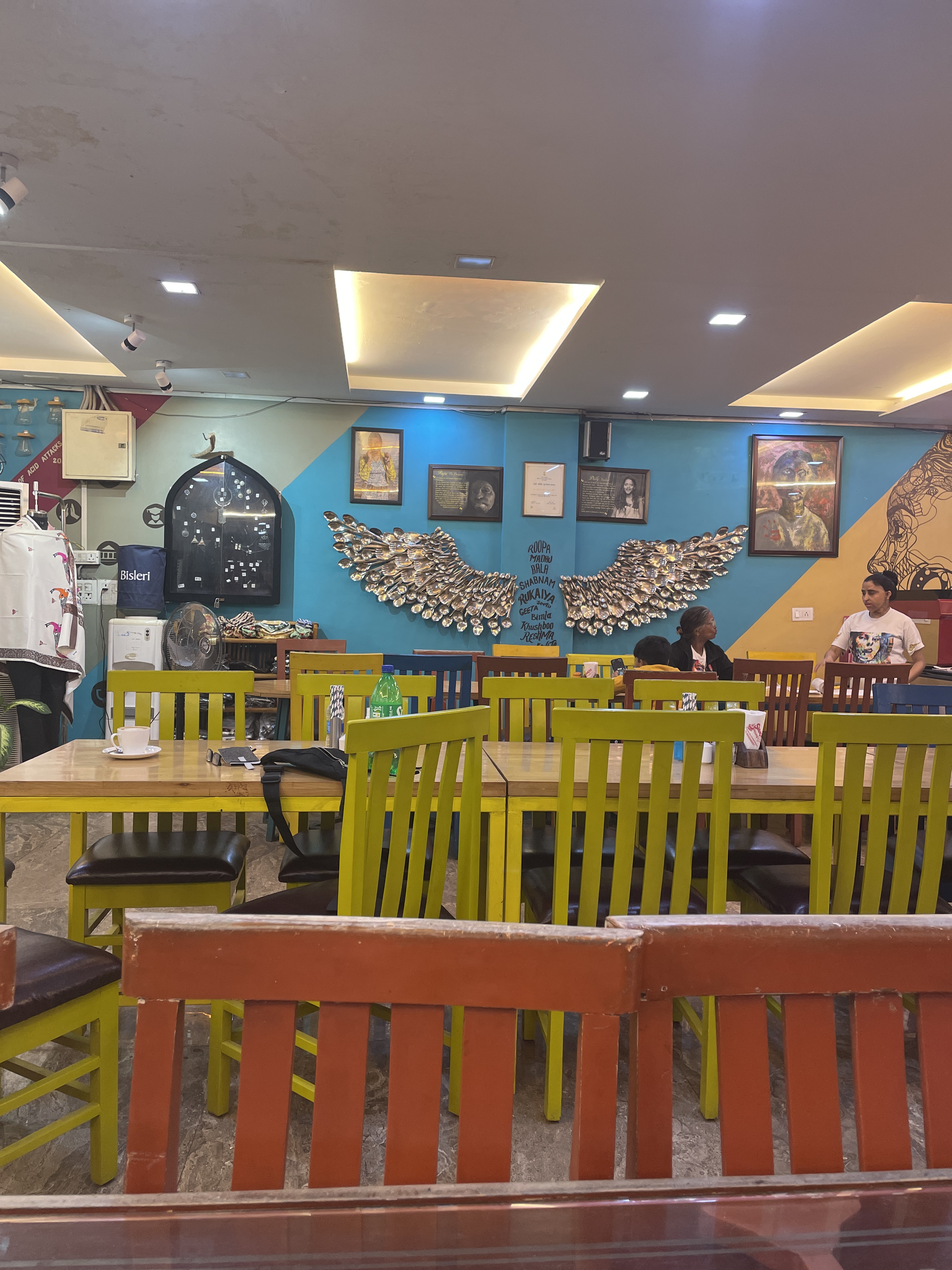
Sheroes is also a welcoming café with excellent food and a warm, uplifting atmosphere. Despite facing serious challenges, including financial difficulties during the pandemic, it has continued to survive and grow thanks to donations and the determination of its staff. Visitors can enjoy delicious food, have henna applied to their hands and purchase a range of beautiful items, including pouches, bags, notebooks, pashminas and handmade jewellery.










Leave a comment