Self-employment can look fun from the outside: flexible hours, no boss, no commute, working from home, taking breaks when you want, perhaps even working from another country. Some of that is absolutely true, but there is another side too: unstable income, no paid holidays, no sick pay, no automatic pension contributions and the constant responsibility of finding work, managing your own time and creating your own structure.
I am still figuring it out. I certainly do not see myself as some self-employment guru who has cracked the code. I am still developing the muscles required to work for myself, but after spending most of my adult life in conventional employment, I can already see quite clearly what I have gained, what I have lost and how profoundly my relationship with time and work has changed.
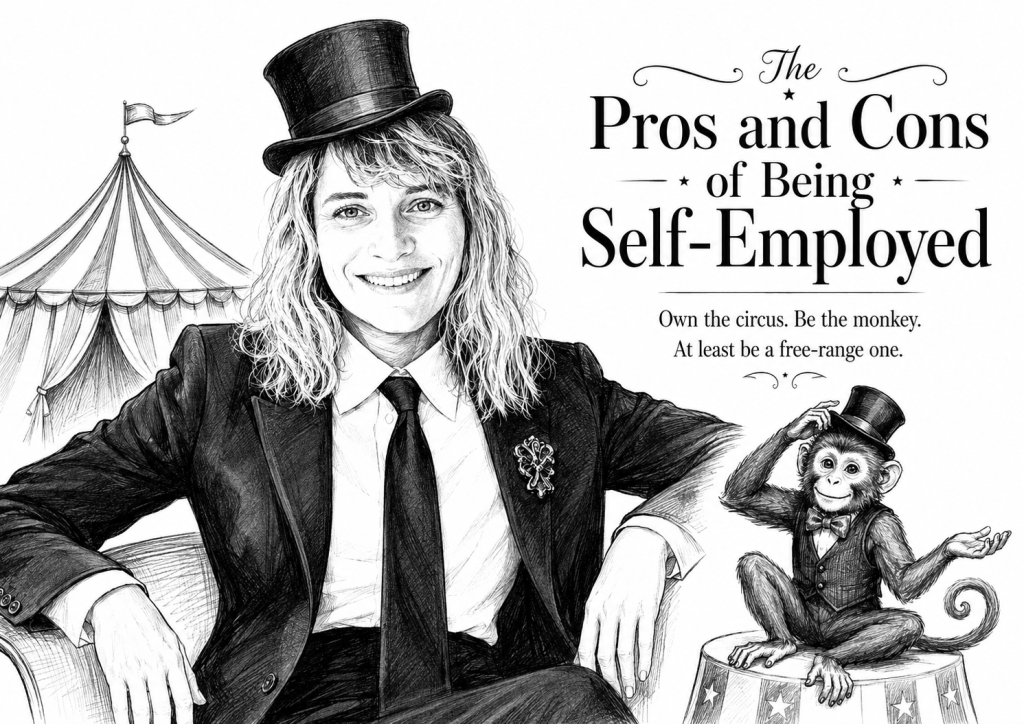
PRO: I own the circus — and I am a free-range monkey
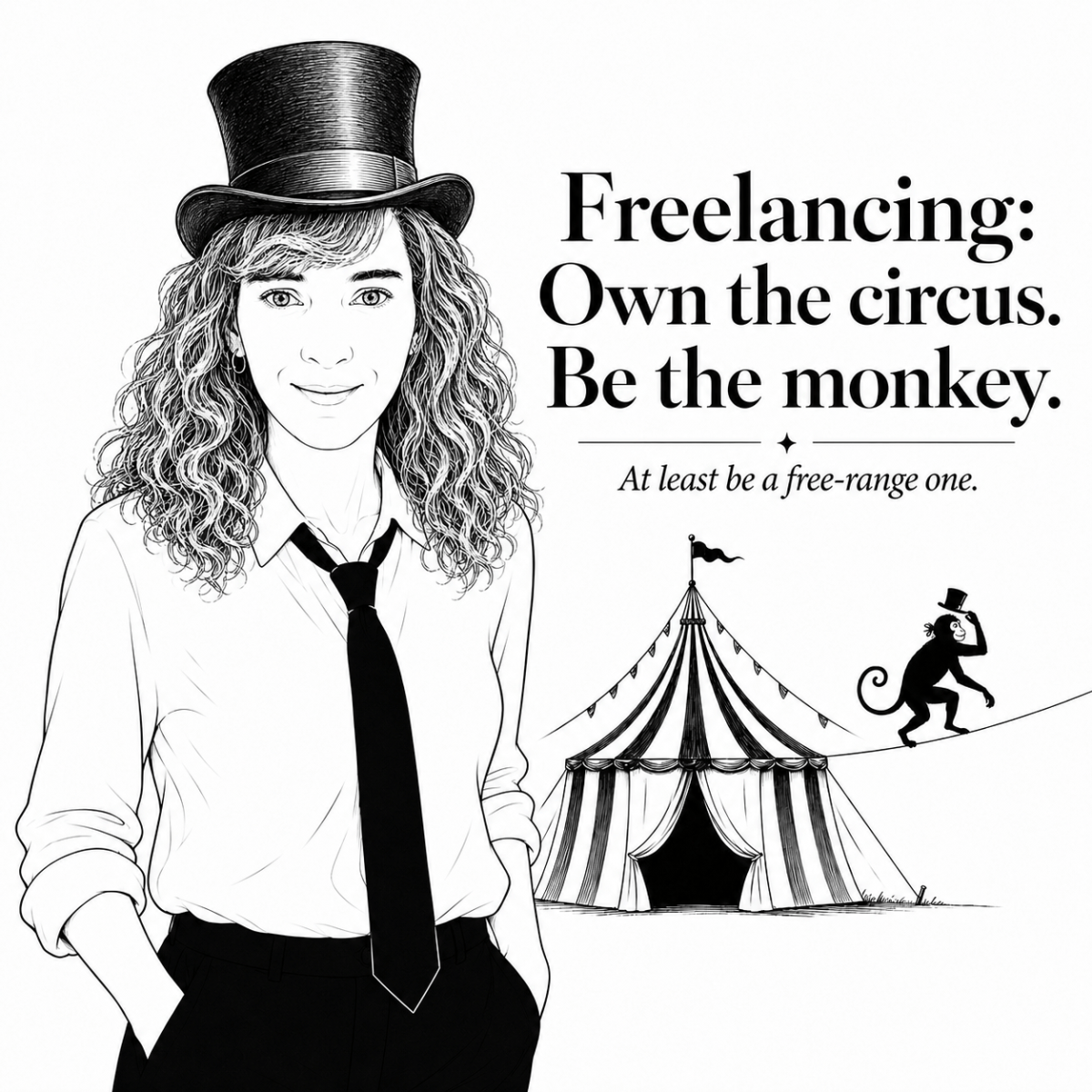
We have a proverb in Polish: “Not my circus, not my monkeys.” It basically means that if something is not your responsibility, you should not get involved in somebody else’s chaos. Recently, however, I realised that this proverb works rather beautifully as a metaphor for self-employment too.
When you work for somebody else, they own the circus and, metaphorically speaking, the monkeys. You are trained to perform a particular set of tricks and that is your job. There is security in that because somebody else decides what needs doing, when it needs doing and often how it should be done. Once you decide to work for yourself, however, you become both the circus owner and the monkey. You have to decide what to offer, how to market it, how much to charge, where to find clients, how to organise your day and how to make the whole bloody thing financially sustainable.
That is the hard part, and perhaps one reason why so many people understandably prefer employment. It is easier and safer because somebody else is holding the clipboard. Now I own the circus and I also have to be the monkey. Bloody hard sometimes, but at least I am a free-range middle-aged monkey. 😀
PRO: I own my breaks
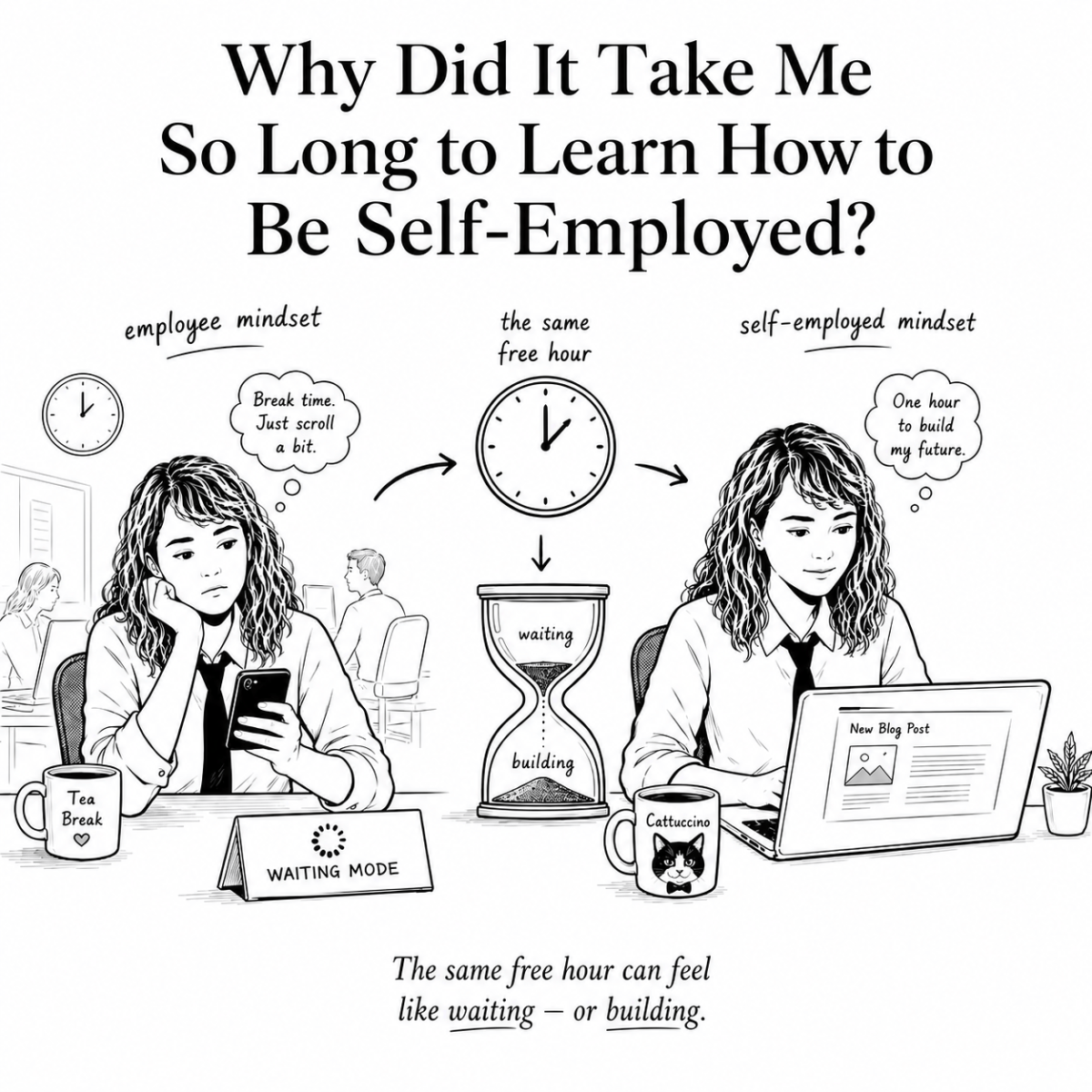
This may sound like a small thing, but it has probably been one of the biggest changes for me. When I worked a typical 9–5, I often did not know what to do with downtime. If lessons were cancelled or students were too physically or mentally unwell to attend, I would prepare materials for future lessons, source resources, tidy the classroom, organise the walk-in cupboard, update paperwork and generally try to make myself useful.
Eventually, though, there was nothing left to organise. I had piles of materials, endless resources, a spotless room and up-to-date paperwork, yet I was still at work and somehow expected to look occupied. I was not used to managing my own free time because I had spent years being told where to be and what to do. So I often wasted it scrolling, reading news, checking celebrity updates and consuming other people’s content because I had not yet learnt how to use spare time creatively.
Now I am getting much better at managing my own time because I understand something I did not fully understand before: time is an asset. If I have one or two hours between lessons, I can go for a walk, write a LinkedIn post, work on a blog article, add an Etsy listing, learn GarageBand, edit one of my tunes, practise voice acting or dance and develop my movement practice, Outlanga. I no longer have to pretend to be busy because somebody is watching me. I can be genuinely busy doing things that either make me happy, develop my skills or may one day grow into another income stream.
PRO: The headspace is bigger and less cluttered
No matter how many online lessons I teach in a day, working from home is nowhere near as exhausting for me as commuting, attending meetings, making small talk, constantly switching environments and simply being “on” around other people all day. Even when a conventional working day is not particularly demanding on paper, an enormous amount of mental energy can disappear into getting somewhere, being somewhere, looking appropriately occupied and responding to other people’s expectations.
That extra headspace has become one of the most valuable things I have gained. When I worked 9–5, I was often so exhausted, flat and depleted by the end of the week that even the weekend was not really enough to recover properly. I could rest, but I rarely had the kind of surplus energy that makes you curious, playful or adventurous. Most of my energy went into maintaining the life I already had rather than imagining different possibilities.
PRO: I have space to experiment with who I can become
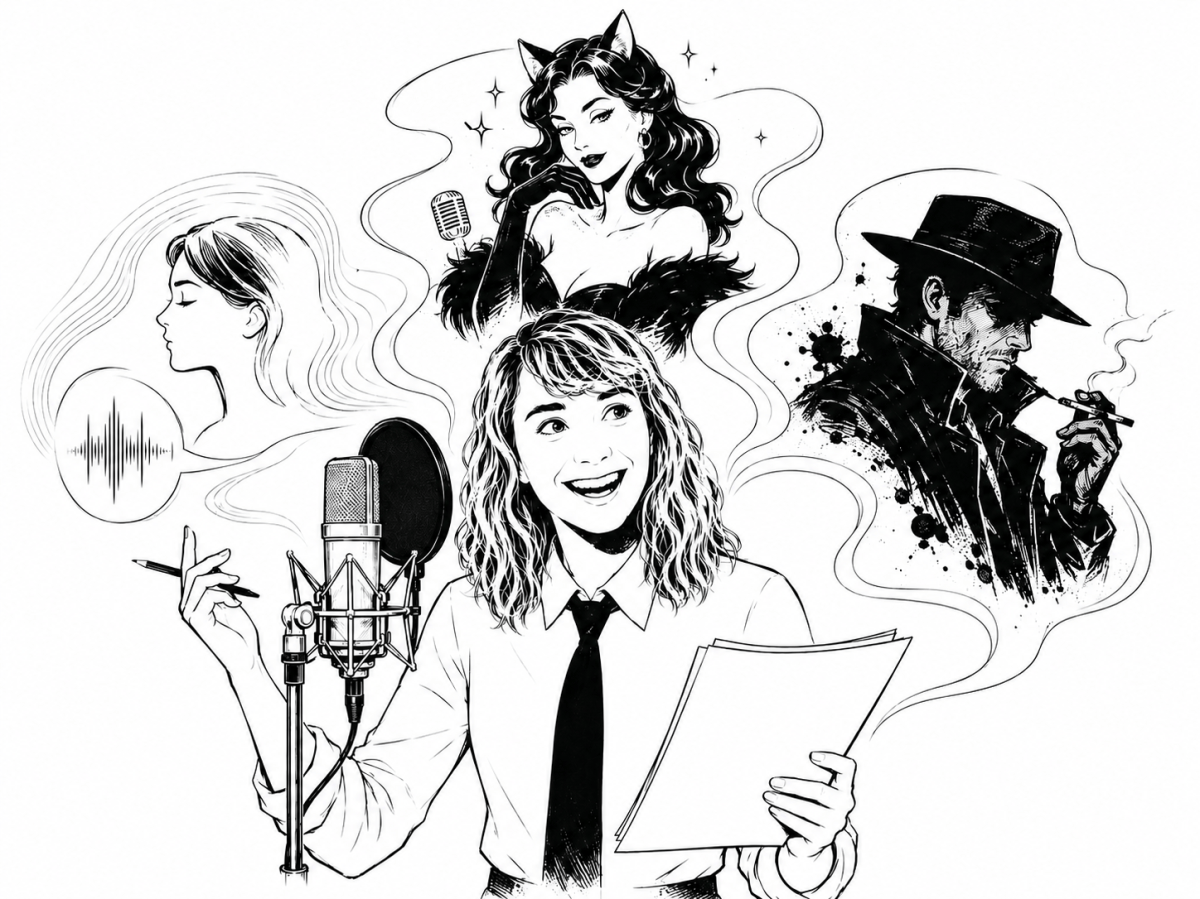
Now I have enough mental space to become more detached from fixed ideas about who I am supposed to be professionally. I can try on different roles almost like costumes and see what happens: translator, tutor, writer, voice actor, content creator, movement teacher, amateur musician, maybe even podcaster. I do not have to decide immediately which identity is the serious one. I can experiment, observe what gives me energy, and allow some ideas to grow while others quietly fall away.
That playfulness is important because creativity needs spare capacity. It is very difficult to explore new directions when every ounce of mental energy is being used simply to commute, perform competence, recover from the working week and prepare to do it all again. Self-employment has given me enough distance and breathing room to ask different questions: What else could I do? What else might I enjoy? What part of me has never really had a chance to develop?
For me, self-employment has created room not only for rest, but for curiosity, play and experimentation.
PRO: I have become more self-aware
This is perhaps one of the advantages I least expected. Having more control over my time has given me much more space to observe myself: my thoughts, reactions, habits, energy levels, interests and ideas. When your working week is dominated by commuting, deadlines, meetings and somebody else’s timetable, there is often very little quiet space left to ask yourself what you actually enjoy, what drains you, what excites you, or what you might want to explore next.
Now I have much more opportunity to notice those things. I can sit with an idea rather than immediately dismissing it because I have no time for it. I can notice which activities give me energy and which ones leave me depleted. I can watch how I respond to uncertainty, rejection, freedom and responsibility, and I can experiment with how I structure my days rather than automatically following a routine created by somebody else.
That kind of self-observation has also helped me discover parts of myself that may have been dormant for years. I finally have time to explore Outlanga, the movement practice I developed from elements of dance, yoga, Pilates, tai chi and spontaneous movement. I can give attention to my little Dothleen tunes, edit them, listen to them, experiment with them and perhaps eventually share them. I can explore voice acting, educational content, writing and even toy with the idea of recording my first podcast.
I do not know which of these things will become serious professional directions and which will remain creative experiments, but that almost does not matter yet. Self-employment has given me enough space to notice that they exist at all.
PRO: I am calmer
I am genuinely calmer and more peaceful since becoming self-employed. My mornings are slower because there is no bus to miss, no commute to survive and no frantic rushing out of the door. Even if my first lesson starts at 9:00, I am already where I need to be. I can make tea, prepare myself properly and start work without feeling as though the day has already attacked me before it has begun.
That sounds like a small lifestyle change, but repeated every morning it adds up. Having more control over the pace and structure of my day has made everyday life feel considerably less frantic.
CON: The income can be unstable
Of course, there are very real disadvantages. Income can be unpredictable. Holiday seasons can be thin, lesson bookings drop and translation projects often arrive in waves. Some agencies are reliable and professional, while others can be slow-paying, dishonest or downright unscrupulous.
There is also no paid annual leave and no paid sick leave. If I do not work, I usually do not earn. Pension contributions do not magically happen unless I organise them myself, and there is no employer quietly managing all the invisible structures that come with regular employment.
Freedom has a price, and part of that price is uncertainty.
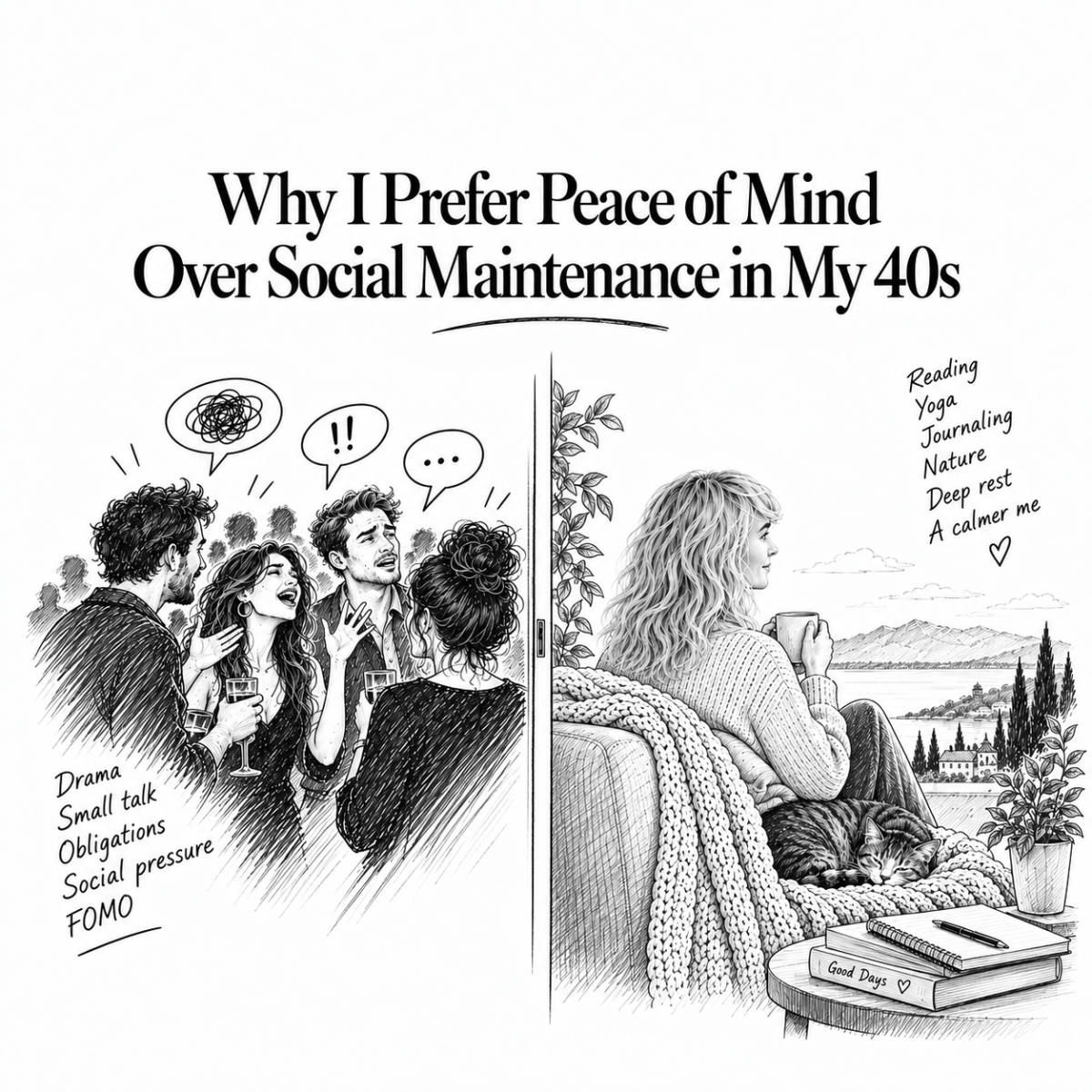
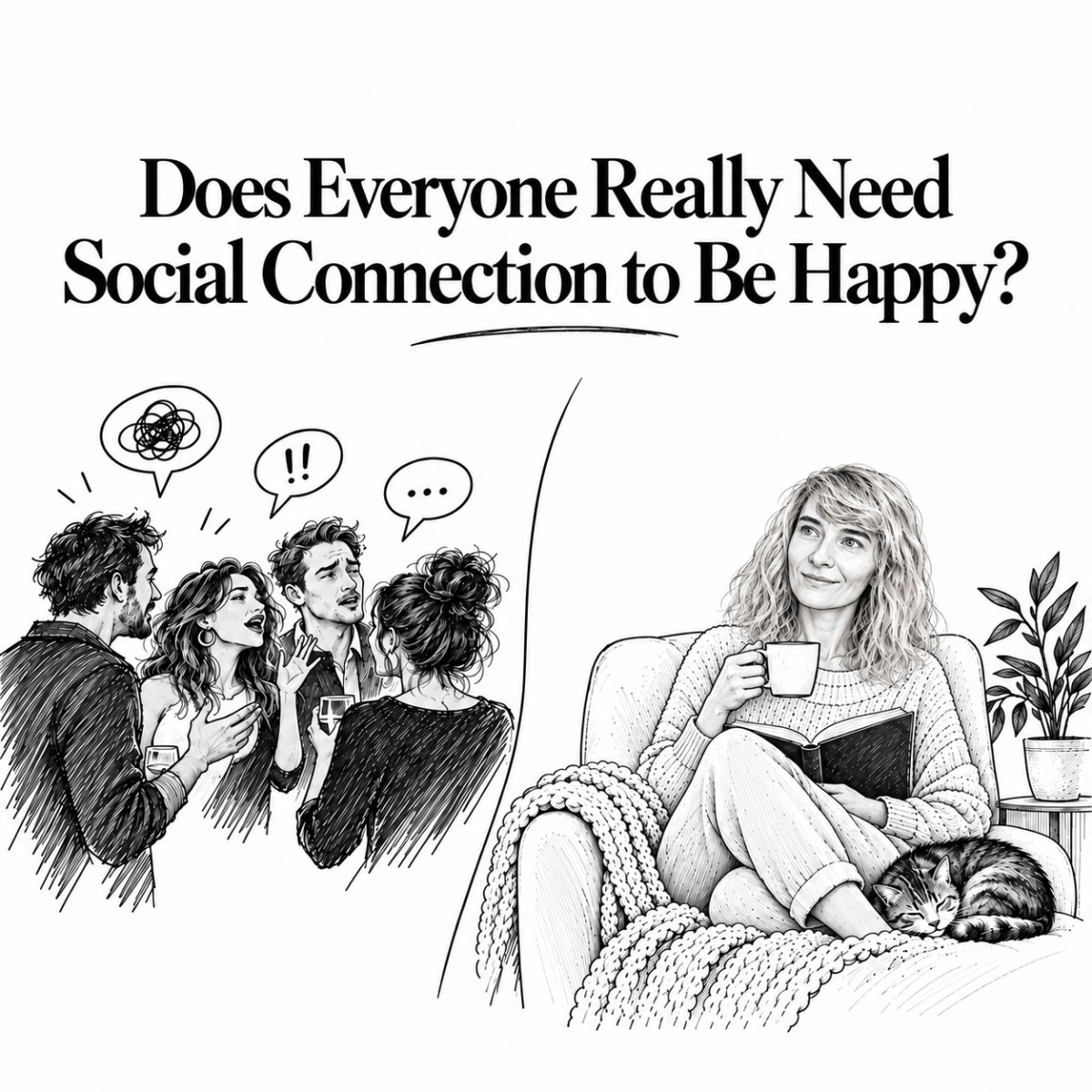
CON: There is less everyday social contact
Working from home can be wonderfully peaceful, but it can also become isolating. There is no casual conversation in the corridor, no colleague popping into the room and no familiar faces around you every day. I do not particularly miss office small talk, but I do think self-employed people have to become more intentional about social contact because it is no longer automatically built into the working week.
I am trying to compensate for this in other ways by attending ParkRuns, exercising socially, walking, travelling and making sure that my entire life does not happen between my desk, kitchen and sofa. Self-employment gives you enormous control over your environment, but that also means you have to make sure the environment does not become too small.
CON: Nobody is coming to develop you
In regular employment, professional development often comes built in. There are training days, reviews, targets, deadlines, managers and sometimes promotions. You may hate some of these things, but they create structure and periodically push you towards learning something new.
When you are self-employed, nobody is going to tap you on the shoulder and tell you that this year you need to improve your marketing, learn a new platform, update your professional profiles, develop your writing, build a portfolio or start pitching clients. You have to identify those gaps yourself and then find the discipline to do something about them.
The upside is that you can choose what you want to develop rather than having your development dictated by a job description. The downside is that there are no deadlines unless you create them and no promotions unless you build the next stage yourself.
Self-employment requires a completely new muscle
I genuinely believe that once we start working for ourselves, we need to develop a completely different set of muscles. We learn how to manage our time, market ourselves, create opportunities, put ourselves out there, tolerate uncertainty and keep going when nobody is giving us a gold star for effort. We develop entrepreneurial muscle, but we also develop creative stamina because ideas are no longer something we have to squeeze into whatever energy remains after work.
Perhaps most importantly, we learn much more about ourselves. Freedom sounds wonderfully easy until somebody actually gives it to you and says, “Right, what are you going to do with it?” Suddenly there is nobody else designing your timetable, deciding your priorities or telling you what your next professional step should be. That can be scary, but it can also reveal interests, skills and talents that might otherwise have remained dormant for decades.
So, is self-employment better?
Not necessarily. It is simply different, and I do not think everybody would enjoy it. Some people thrive on structure, colleagues, security, predictable income and clear boundaries between work and home. Others need more autonomy, experimentation and control over their own time.
For me, self-employment has created both freedom and responsibility. I have more space, but I also have to decide what to do with it. I have more creative energy, but I have to turn that energy into something. I have more autonomy, but nobody is coming to rescue me if I manage it badly. I am still developing my creative stamina, my entrepreneurial muscle and, probably most importantly, my ability to trust myself with freedom. I am still learning how to own the circus and I am definitely still learning how to be the monkey.
But at least the monkey is free-range. 😉




Leave a comment